
4 November 2026
President Ferdinand R. Marcos Jr. on Wednesday conferred the Order of Lakandula with the Rank of Grand Cross (Bayani) on Supreme Court (SC) Chief Justice Alexander G. Gesmundo during a ceremony at Malacañan Palace.
During the awarding ceremony, President Marcos personally presented the sash and pin to Gesmundo.
Gesmundo is set for retirement on November 6 at age 70. He was appointed Associate Justice on August 14, 2017, and the 27th Chief Justice on April 5, 2021.
As head of the Judiciary, Gesmundo guided the courts through the challenges of the post-pandemic period, ensuring that the administration of justice continued even as the institutions adapted to changing circumstances.
Among Gesmundo’s most significant reforms is the pursuit of digital transformation in the Judiciary.
Gesmundo also supported the digitalized and regionalized Bar examinations, reflecting his vision of a more modern legal system, one that champions innovation in shaping the next generation of legal professionals.
President Marcos personally led the ceremony and was joined by government officials including Acting Executive Secretary Ralph G. Recto and Secretary of Justice Fredderick A. Vida.
President Marcos emphasized the importance of making justice accessible to every Filipino during the inauguration and turnover of the Sulu Hall of Justice on October 20.
The President said the new facility would bring judicial services closer to the people of Sulu and help strengthen the rule of law in the province. Ӏ PND

3 November 2026

3 November 2026

3 November 2026
3 November 2026
3 November 2026
3 November 2026
31 October 2026
30 October 2026

30 October 2026
30 October 2026
30 October 2026
30 October 2026

29 October 2026
29 October 2026

29 October 2026

29 October 2026
29 October 2026
29 October 2026
28 October 2026
3 November 2026
President Ferdinand R. Marcos Jr. is pushing for a stronger and safer digital economy that will allow Filipinos to access education, banking, government services, and online business opportunities with greater confidence.
The President is working closely with the private sector to expand reliable internet connectivity, strengthen digital security, and create more economic opportunities for Filipino workers and micro, small, and medium enterprises (MSMEs).
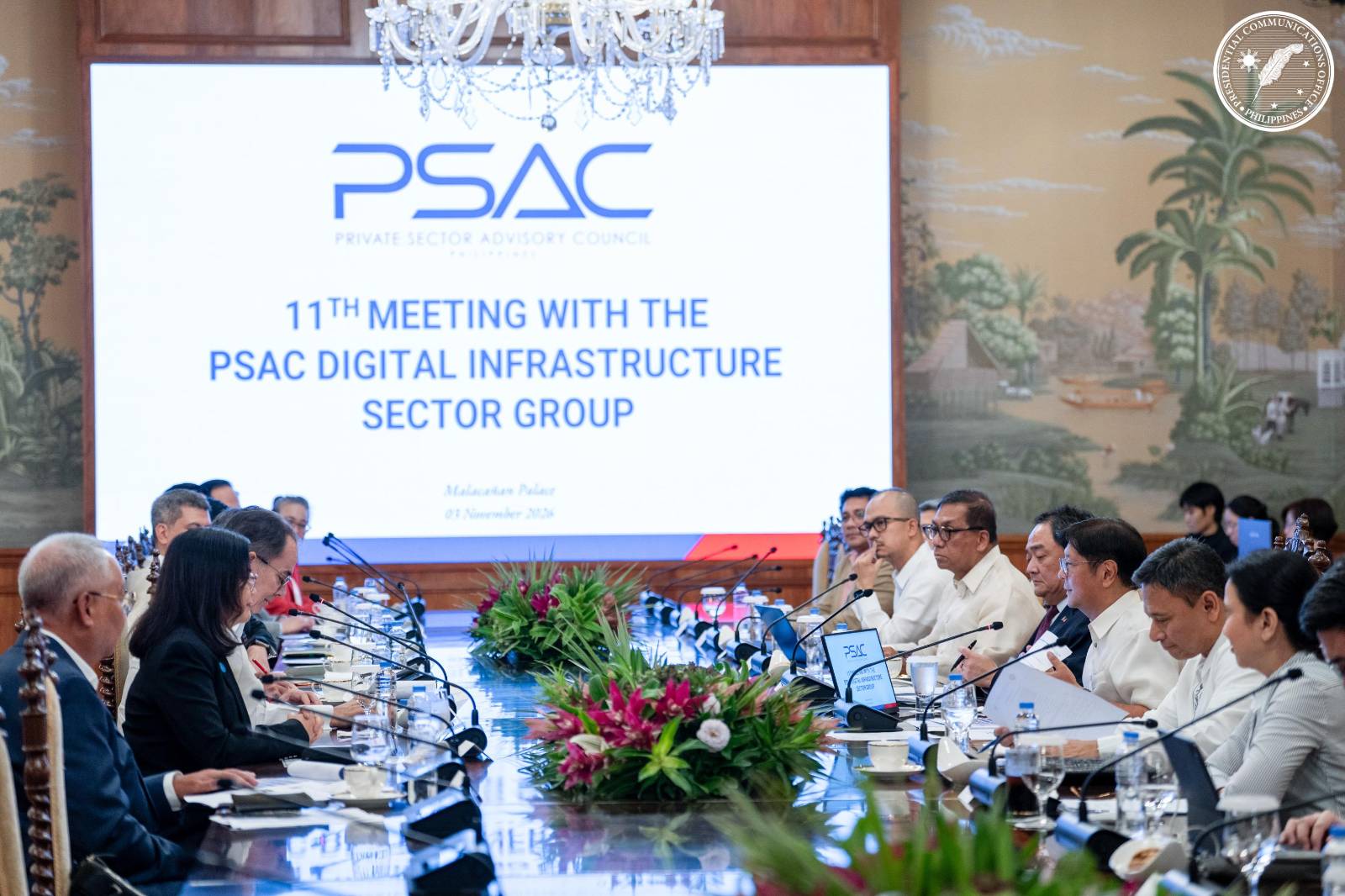
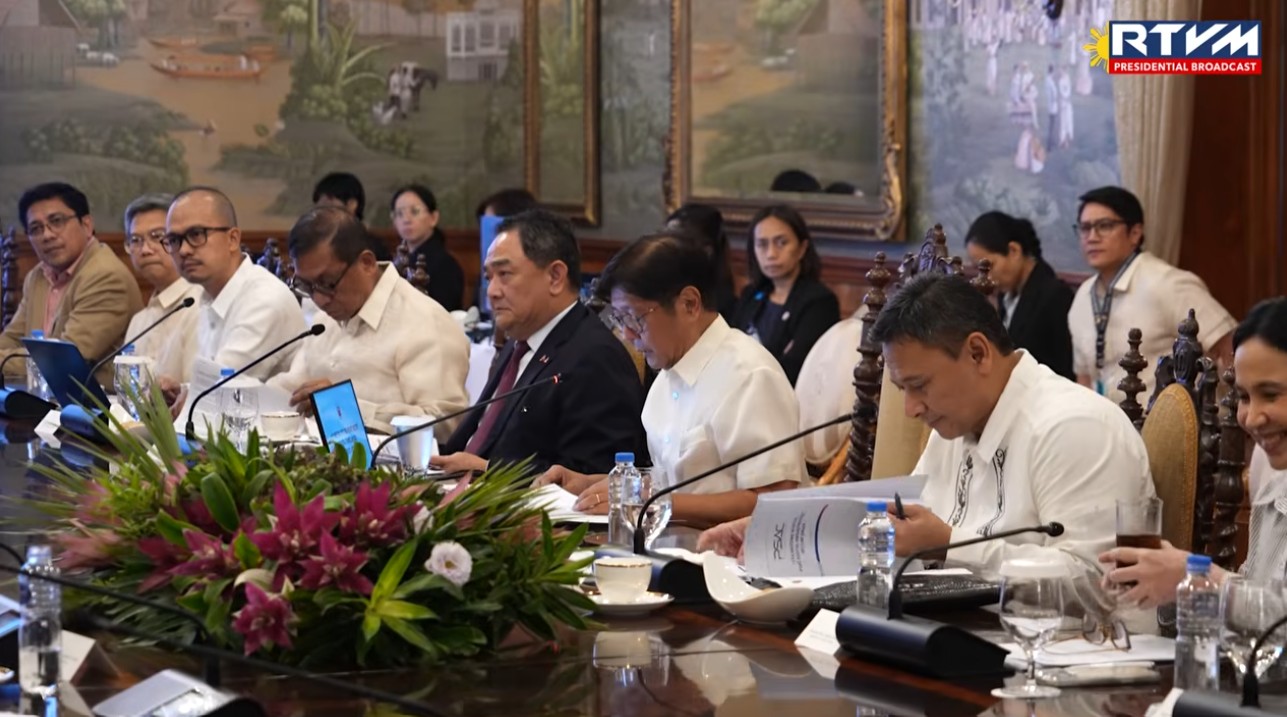
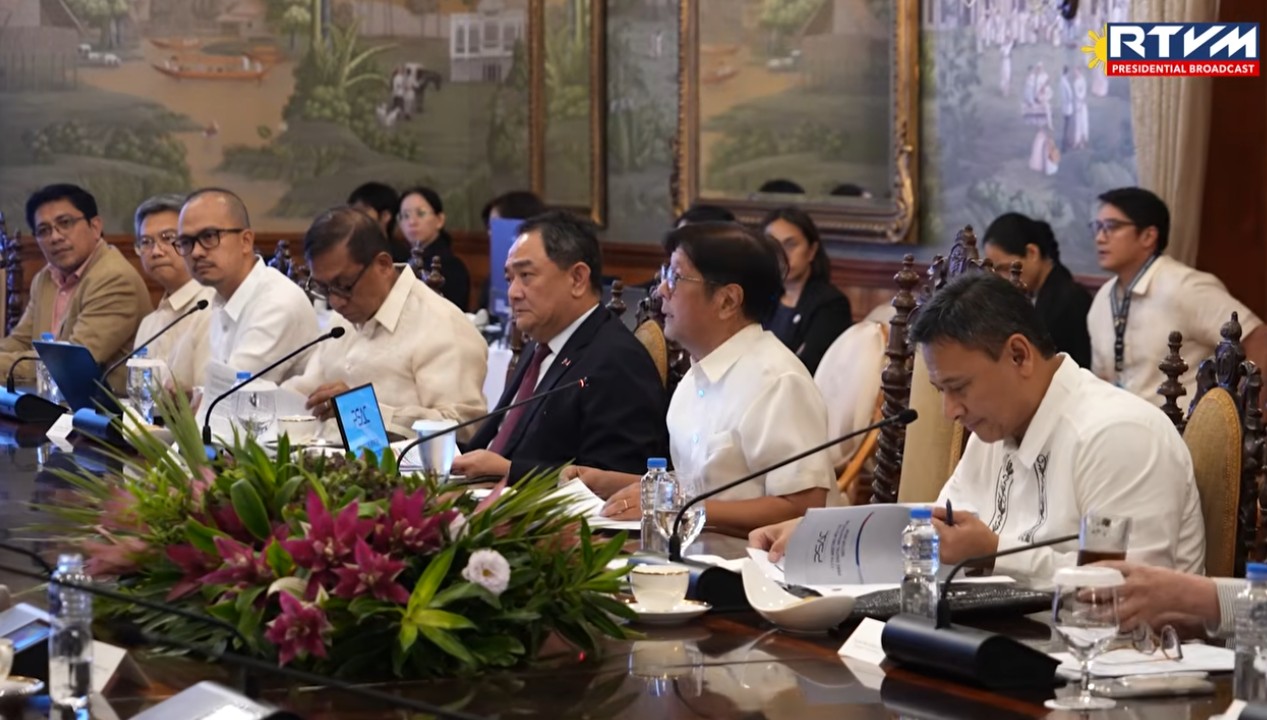
These priorities were discussed during his meeting with the Private Sector Advisory Council (PSAC) Digital Infrastructure Sector Group at Malacañan Palace on Tuesday.
The administration recognizes that many Filipinos, particularly those living in remote communities, continue to struggle with weak or nonexistent internet connections, limiting their access to essential services and economic opportunities.
President Marcos is personally reviewing the progress of the Bayanihan SIM Project and exploring how the initiative can help keep more Filipinos connected.
The President is also seeking stronger private-sector participation to accelerate the development of digital infrastructure nationwide.
Beyond connectivity, the administration is giving particular attention to protecting consumers and small businesses from cybersecurity threats as more financial transactions and commercial activities move online.
The President wants Filipinos to feel more confident using digital banking platforms, paying bills, selling products, and conducting other transactions online.
The administration also considers the digital economy an important avenue for generating employment and helping Filipino entrepreneurs reach wider markets without leaving their communities.
President Marcos is also reviewing private-sector recommendations on emerging industries, including the space economy, and opportunities to harness Filipino talent for domestic economic development.
These discussions are intended to identify ways of encouraging skilled Filipino professionals to pursue rewarding careers within the country while enabling smaller enterprises to participate in the expanding digital marketplace.
Through closer government and private sector collaboration, the administration aims to build an inclusive digital economy where improved connectivity, secure online services and technological innovation translate into meaningful opportunities for ordinary Filipinos.
The President’s digital development agenda seeks to ensure that no Filipino is left behind as technology increasingly shapes education, employment, entrepreneurship and the delivery of public services. | PND
4 November 2026
3 November 2026
3 November 2026
3 November 2026
3 November 2026
3 November 2026
31 October 2026
30 October 2026
30 October 2026
30 October 2026
30 October 2026
30 October 2026
29 October 2026
29 October 2026
29 October 2026
29 October 2026
29 October 2026
29 October 2026
28 October 2026
3 November 2026
President Ferdinand R. Marcos Jr. ordered the Department of Information and Communication Technology (DICT) to ensure affordable, reliable, and fast internet connectivity, saying the administration aims to make digital government services more accessible to Filipinos.
“Sabi nga ng Pangulo, ang gusto niya is mura, maaasahan, at mabilis na Wi-Fi,” DICT Secretary Robert Joseph de Claro said in a video posted by the Radio TV Malacanang (RTVM).
De Claro said the government’s e-governance platform is expected to make public services faster and more accessible, including processing Social Security System (SSS) death and funeral benefits and registering businesses.
The initiative is part of the government’s efforts to operationalize the E-Governance Act and integrate frontline government services into a unified digital platform, allowing Filipinos to transact with government agencies more conveniently.
De Claro said the official cited the processing of SSS death and funeral benefits as one service that could be streamlined through the e-government system.
Under the existing process, the SSS needs to integrate its records with the Philippine Statistics Authority (PSA) and local civil registries to proactively notify beneficiaries and facilitate applications for death and funeral benefits.
“Ngayon, dahil nandoon na sa eGov ang civil registry, and since SSS nasa eGov na rin, and part of the 40 agencies na nasa loob ng ating eGov, itong serbisyong ito, hindi na ito pangarap,” De Claro added.
The DICT chief expressed optimism that the service could become available to Filipino workers in the coming months.
He noted that another anticipated benefit is the simplified registration of businesses, particularly for local and foreign investors seeking to establish operations in the Philippines.
Previously, business owners had to separately register with agencies such as the Securities and Exchange Commission (SEC) or the Department of Trade and Industry (DTI).
“So halimbawa, may negosyante, whether local or foreign, na gusto pumasok dito sa Pilipinas at mag-invest. So in the past, punta siya sa SEC, mag-register, or sa DTI,” de Claro added.
The DICT chief noted that through the e-government platform, business owners will be able to submit their information through a single system, which will then facilitate sharing of relevant information with other government agencies, including the SSS, Philippine Health Insurance Corporation (PhilHealth) and Pag-IBIG Fund.
He noted that the integration is expected to make it easier for employers to comply with basic government registration and contribution requirements.
“So those are just two examples of how eGov, sa utos ng Pangulo na mas padaliin ang serbisyo para sa mga mamamayan, eh, baka magagamit natin and mapapabilis ang serbisyo,” de Claro said.
The DICT chief said that the administration’s objective is to reduce long queues and minimize the need for face-to-face transactions by bringing government services closer to the public through digital technology.
“Yun talaga ang tinutumbok nito, na bawasan natin ang pila, bawasan ang interaction, and through the eGov system, mas mapapabilis at mapapalapit natin ang gobyerno sa ating mga mamamayan,” the official said. | PND
4 November 2026
3 November 2026
3 November 2026
3 November 2026
3 November 2026
3 November 2026
31 October 2026
30 October 2026
30 October 2026
30 October 2026
30 October 2026
30 October 2026
29 October 2026
29 October 2026
29 October 2026
29 October 2026
29 October 2026
29 October 2026
28 October 2026
3 November 2026
President Ferdinand R. Marcos Jr. is pressing for stronger protection of digital systems and online services amid growing cybersecurity threats affecting Filipino consumers, workers, and micro, small, and medium enterprises (MSMEs).
The President considers digital security an essential component of the country’s expanding digital economy as more Filipinos increasingly depend on internet-based platforms for banking, commerce, education and government transactions.
Strengthening cybersecurity is among the key priorities outlined for his meeting with the Private Sector Advisory Council (PSAC) Digital Infrastructure Sector Group at Malacañan Palace on Tuesday.
The administration recognizes that the rapid growth of online transactions has exposed consumers and businesses to increasing risks from cyber threats that could undermine public confidence in digital services.
President Marcos is working with industry leaders to strengthen the protection of digital platforms and systems that Filipinos rely on in their daily activities.
The President wants consumers to conduct financial transactions, pay bills and access essential online services without unnecessary exposure to digital security risks.
Particular attention is being given to MSMEs, many of which increasingly depend on online marketplaces, electronic payments and other digital platforms to sustain and expand their businesses.
The administration believes that improving cybersecurity protections is necessary to encourage more entrepreneurs to embrace digital commerce and participate in the growing online economy.
Alongside efforts to strengthen digital security, President Marcos is pushing for broader internet connectivity, particularly in geographically isolated communities where access to reliable digital services remains limited.
The President is also personally reviewing the Bayanihan SIM Project’s progress as part of efforts to determine how more Filipinos can remain connected to essential online services.
The government is likewise engaging the private sector on ways to accelerate digital infrastructure development and explore opportunities for Filipino professionals and businesses in emerging technology-driven industries.
These initiatives reflect the administration’s broader objective of ensuring that technological advancement is accompanied by stronger safeguards, wider economic participation and greater public trust in digital services.
Through sustained collaboration with industry stakeholders, President Marcos aims to establish a more secure and inclusive digital environment where Filipinos can confidently conduct business, access government services and pursue opportunities in the digital economy. | PND
4 November 2026
3 November 2026
3 November 2026
3 November 2026
3 November 2026
3 November 2026
31 October 2026
30 October 2026
30 October 2026
30 October 2026
30 October 2026
30 October 2026
29 October 2026
29 October 2026
29 October 2026
29 October 2026
29 October 2026
29 October 2026
28 October 2026
3 November 2026
President Ferdinand R. Marcos Jr. continues to engage private sector leaders in addressing the country’s economic and development priorities as he leads the 11th meeting of the Private Sector Advisory Council (PSAC) on digital infrastructure at Malacañan Palace on Tuesday.
Since its establishment in 2022, PSAC has provided a platform for business leaders and industry experts to present recommendations and work with the government on key development concerns.
The latest meeting on Nov. 3 focuses on digital infrastructure, including wider internet connectivity, access to online government services, protection of digital systems, and opportunities for Filipino talent in emerging industries.
In October 2023, the council’s Infrastructure Sector Group proposed prioritizing locally produced cement in government projects and streamlining the approval process for multipurpose dam projects. Discussions also covered technical skills training and job creation.
On Sept. 9, 2026, President Marcos led the eighth PSAC meeting with the Infrastructure Sector Group, which tackled building safety, construction materials, flood management, disaster preparedness, and water security.
The group reconvened on Aug. 5, 2026, for its fifth meeting, focusing on artificial intelligence training, digital skills development, the semiconductor and electronics industry roadmap, and employment opportunities.
On July 3, 2024, the President met with the PSAC Tourism Sector Group to discuss improvements in airport operations, water supply and sanitation in tourist destinations, connectivity between tourism hubs, and visa processing. The group also presented recommendations to strengthen tourism education and workforce development.
On May 8, 2024, President Marcos met with the PSAC Agriculture Sector Group to discuss challenges facing the coconut, sugar, and tobacco industries. The group recommended accelerating coconut replanting, improving sugar production, addressing concerns in the tobacco industry, and simplifying procedures for agricultural exports.
On April 8, 2026, President Marcos presided over the fourth meeting of the PSAC Education and Jobs Sector Group, which discussed job matching, skills training and livelihood assistance for overseas Filipino workers returning from the Middle East.
Through PSAC, the administration continues to engage private sector leaders to develop recommendations and identify solutions to the country’s economic and development challenges. | PND
4 November 2026
3 November 2026
3 November 2026
3 November 2026
3 November 2026
3 November 2026
31 October 2026
30 October 2026
30 October 2026
30 October 2026
30 October 2026
30 October 2026
29 October 2026
29 October 2026
29 October 2026
29 October 2026
29 October 2026
29 October 2026
28 October 2026
3 November 2026
President Ferdinand R. Marcos Jr.’s administration is working with the private sector to advance ongoing digital initiatives to improve internet connectivity, strengthen online security, and expand digital opportunities for Filipinos and micro, small, and medium enterprises (MSMEs).
The President met with the Private Sector Advisory Council (PSAC) Digital Infrastructure Sector Group at Malacañan Palace on Tuesday to discuss ongoing digital initiatives and recommendations aimed at making digital services more accessible, secure, and beneficial to Filipinos.
The discussions focus on accelerating efforts to provide reliable internet access to more Filipinos, particularly those in far-flung communities that continue to experience weak or limited connectivity.
The President is also reviewing the progress of the Bayanihan SIM Project and exploring ways to help connect more Filipinos through stronger partnerships with the private sector.
President Marcos also seeks to strengthen the security of digital systems and services that Filipinos rely on for online transactions, banking, and other essential activities.
These efforts aim to reinforce protection against cyber threats and help consumers and businesses transact online with greater confidence.
President Marcos is likewise pushing for a stronger digital economy and more opportunities for every Filipino and small businesses. | PND
4 November 2026
3 November 2026
3 November 2026
3 November 2026
3 November 2026
3 November 2026
31 October 2026
30 October 2026
30 October 2026
30 October 2026
30 October 2026
30 October 2026
29 October 2026
29 October 2026
29 October 2026
29 October 2026
29 October 2026
29 October 2026
28 October 2026
3 November 2026
President Ferdinand R. Marcos Jr. is pushing to expand reliable internet connectivity and access to online services, ensuring more Filipinos can participate in the country’s growing digital economy and that no one is left offline.
President Marcos leads the 9th meeting of the Private Sector Advisory Council (PSAC) on digital infrastructure at Malacañan Palace on Tuesday, bringing together government and private sector representatives to discuss ways to address connectivity gaps and improve digital access across the country.
The President is working with the private sector to accelerate digital infrastructure development, particularly in communities where weak or limited internet connection continues to restrict access to online services.
President Marcos is personally monitoring the progress of the Bayanihan SIM Project to explore ways to expand its reach and connect more Filipinos.
The initiative aims to address the digital divide affecting students, workers, and families, particularly those in far-flung communities who have limited access to reliable internet services.
By expanding connectivity and improving access to digital services, the administration seeks to ensure that geographic and economic barriers do not prevent Filipinos from accessing information, pursuing learning opportunities, and benefiting from essential government services online.
The effort forms part of the administration’s broader push for an inclusive digital economy where every Filipino has the opportunity to connect and participate, regardless of location. | PND
4 November 2026
3 November 2026
3 November 2026
3 November 2026
3 November 2026
3 November 2026
31 October 2026
30 October 2026
30 October 2026
30 October 2026
30 October 2026
30 October 2026
29 October 2026
29 October 2026
29 October 2026
29 October 2026
29 October 2026
29 October 2026
28 October 2026
31 October 2026
President Ferdinand R. Marcos Jr. visited the tomb of his father, former President Ferdinand E. Marcos Sr., at the Libingan ng mga Bayani in Taguig City on Friday, October 30, ahead of the observance of All Saints’ Day.
The President was accompanied by his mother, former First Lady Imelda Romualdez Marcos, his sister Irene Marcos-Araneta, and close family and friends.
The family offered prayers and paid their respects during the private visit. | PND
4 November 2026
3 November 2026
3 November 2026
3 November 2026
3 November 2026
3 November 2026
3 November 2026
31 October 2026
30 October 2026
30 October 2026
30 October 2026
30 October 2026
30 October 2026
29 October 2026
29 October 2026
29 October 2026
29 October 2026
29 October 2026
29 October 2026
28 October 2026
31 October 2026
President Ferdinand R. Marcos Jr. on Saturday called on Filipinos to draw inspiration from the lives and sacrifices of departed loved ones and the saints as the country observes All Saints’ Day and All Souls’ Day.
President Marcos urged the public to extend the spirit of remembrance through acts of kindness, compassion, and service to others.
“I join the Catholic faithful and the entire Filipino nation in the solemn observance of All Saints’ Day and All Souls’ Day,” the President said in his message.
“Across the country, families return to cemeteries, offering prayers and celebrating the lives and legacies of departed loved ones,” President Marcos added. “Some travel great distances for these visits, finding an opportunity to reunite with relatives and recall the moments they once shared.”
Traditionally, Filipinos troop to cemeteries and memorial parks nationwide to remember their departed loved ones during All Saints’ Day on November 1 and All Souls’ Day on November 2.
The Chief Executive said, “Even in their absence, those we have lost continue to bring us closer together, keeping alive the bonds that have made the Filipino family and the whole nation resilient and strong through challenges.”
“We also draw inspiration from the saints, whose devotion found expression in selfless service, and from countless individuals whose sacrifices have sustained our communities. Their lives call on us to make the most of the time entrusted to us, and to find lasting purpose in every kindness we give and every burden we help carry for others,” the President added.
President Marcos enjoined everyone to practice the same devotion in remembrance into the way Filipinos treat one another.
“If we can make time to revere those who have passed, we can also make room to listen to those who struggle, and let that same concern guide our society and the work of government. May our efforts in nurturing a Bagong Pilipinas stand as a greater testament to our lives than any words or monuments carved in stone we leave behind,” the President said.
“May these solemn days bring peace to those who mourn and remind us to cherish those who remain,” President Marcos added. | PND
4 November 2026
3 November 2026
3 November 2026
3 November 2026
3 November 2026
3 November 2026
3 November 2026
30 October 2026
30 October 2026
30 October 2026
30 October 2026
30 October 2026
29 October 2026
29 October 2026
29 October 2026
29 October 2026
29 October 2026
29 October 2026
28 October 2026
30 October 2026
The Land Transportation Franchising and Regulatory Board (LTFRB) has issued more than 1,000 special permits for additional buses to ensure sufficient public transportation for commuters traveling to their provinces and visiting cemeteries during the observance of All Saints’ Day and All Souls’ Day, or Undas, President Ferdinand R. Marcos Jr. announced on Friday.
In a video message, President Marcos said the government is preparing various measures to ensure safety, convenience, and orderly travel during the holiday period.
“Tinitiyak natin na may sapat na masasakyan ang ating mga kababayan. Nagbigay na ang LTFRB ng mahigit isang libong special permits para sa mga dagdag na bus,” President Marcos said.
Filipinos troop to cemeteries nationwide to remember their departed loved ones during All Saints’ Day on November 1 and All Souls’ Day on November 2.
The President said the Department of Transportation (DOTr) and its attached agencies are conducting extensive inspections of airports, seaports, and bus terminals to ensure passenger safety.
“Ngayong darating na Undas, marami sa ating mga kababayan ang uuwi sa kani-kanilang probinsya o dadalaw sa mga sementeryo upang alalahanin at ipagdasal ang kanilang mga mahal sa buhay. Kaya nais nating tiyakin na magiging ligtas, maayos, at maginhawa ang kanilang pagbiyahe at pagdalaw,” President Marcos said.
The President said that major roads are undergoing continuous inspection and repair, with urgent road repairs targeted for completion by October 29, 2026, to minimize traffic disruptions during the expected increase in travel.
President Marcos also said these preparations are part of the government’s efforts to ensure that Filipinos can safely and conveniently reunite with their families and visit their departed loved ones during Undas. | PND
4 November 2026
3 November 2026
3 November 2026
3 November 2026
3 November 2026
3 November 2026
3 November 2026
31 October 2026
30 October 2026
30 October 2026
30 October 2026
30 October 2026
29 October 2026
29 October 2026
29 October 2026
29 October 2026
29 October 2026
29 October 2026
28 October 2026
 PBBM
 PCO
 RTVM
 BOC
 DENR
 DEPED
 DFA
 DICT
 DOA
 DOT
 DOH
 DOTR
 DTI
 IBC13
 PTV4
 RP1
 CONGRESS
 SENATE
 JUDICIARY