17 September 2026
The Economy and Development (ED) Council, chaired by President Ferdinand R. Marcos Jr., approved Wednesday the revised implementation timeline for the North-South Commuter Railway project, with the first partial operation targeted for December 2027, a Palace official said.
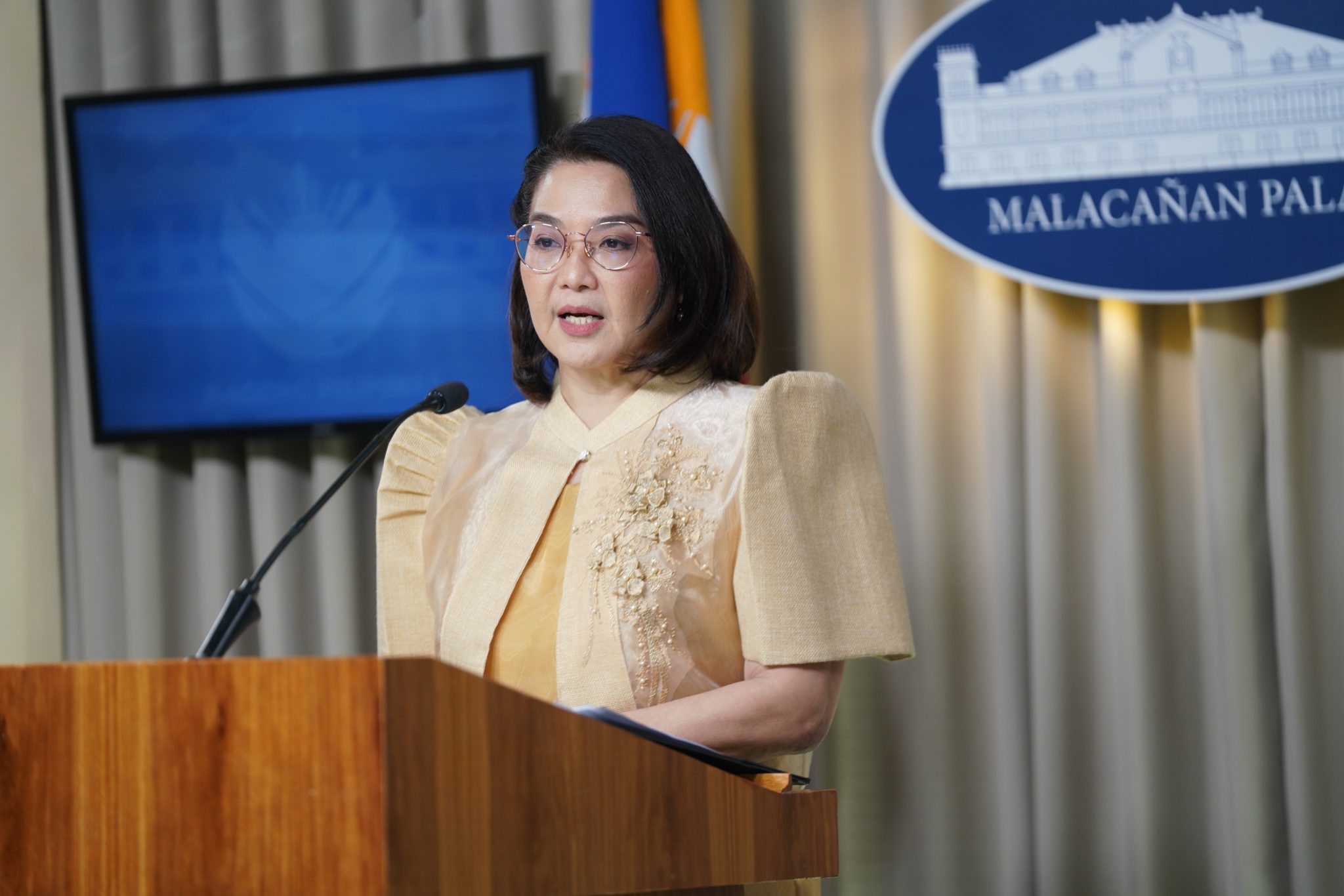
Presidential Communications Office (PCO) Undersecretary and Palace Press Officer Claire Castro said the timeline was adjusted to ensure prudent use of public funds, address procurement challenges, and resolve right-of-way issues.
“Nagkaroon ng kaunting pagbabago tungkol sa timeline, dahil alam naman natin na nagkaroon ng medyo pagtitipid, mag-iingat sa pondo ng bayan at nahirapan sa mga procurements and maliban pa diyan ay nagkakaroon ding isyu sa right of way,” Castro said in a Palace press briefing.
Based on the timeline, Castro said the first partial operation of the North-South Commuter Railway Operations will be in December 2027.
The second partial operation from Malolos to Clark will be in the fourth quarter of 2028, while the third partial operations of the Clark-Solis and Alabang to Calamba will be in the fourth quarter of 2031.
And full operation of the Clark-Calamba will be in the third quarter of 2033, Castro added.
“So, usually ang mga amendments nito ay iyong mga timelines lang at medyo may pag-a-adjust din nang kaunti sa budget,” the Palace official explained.
“So, iyong iba ay naaprubahan na, maliban nga doon sa isyu ng pagpapa-announce or paga-announce kung papaano kapag may ulan or mayroong mga ibang causes para ma-suspend ang classes or mga trabaho,” Castro added.
Aside from the North-South Commuter Railway project, among those discussed by the EDC are public-private partnership (PPP) projects such as the Mactan-Cebu International Airport PPP project, Supporting Innovation in the Philippine Technical and Vocational Education and Training System Project, as well as the Road Network Development Project in conflict-affected areas in Mindanao.
DSWD’s Reducing Food Insecurity and Undernutrition with Electronic Vouchers (REFUEL) Project and DepEd’s proposal on the implementation of class suspensions were also discussed. | PND
17 September 2026

17 September 2026

17 September 2026

16 September 2026

16 September 2026
16 September 2026

16 September 2026

15 September 2026

15 September 2026

15 September 2026

15 September 2026

15 September 2026

15 September 2026

15 September 2026
15 September 2026

15 September 2026

15 September 2026

14 September 2026

14 September 2026
17 September 2026
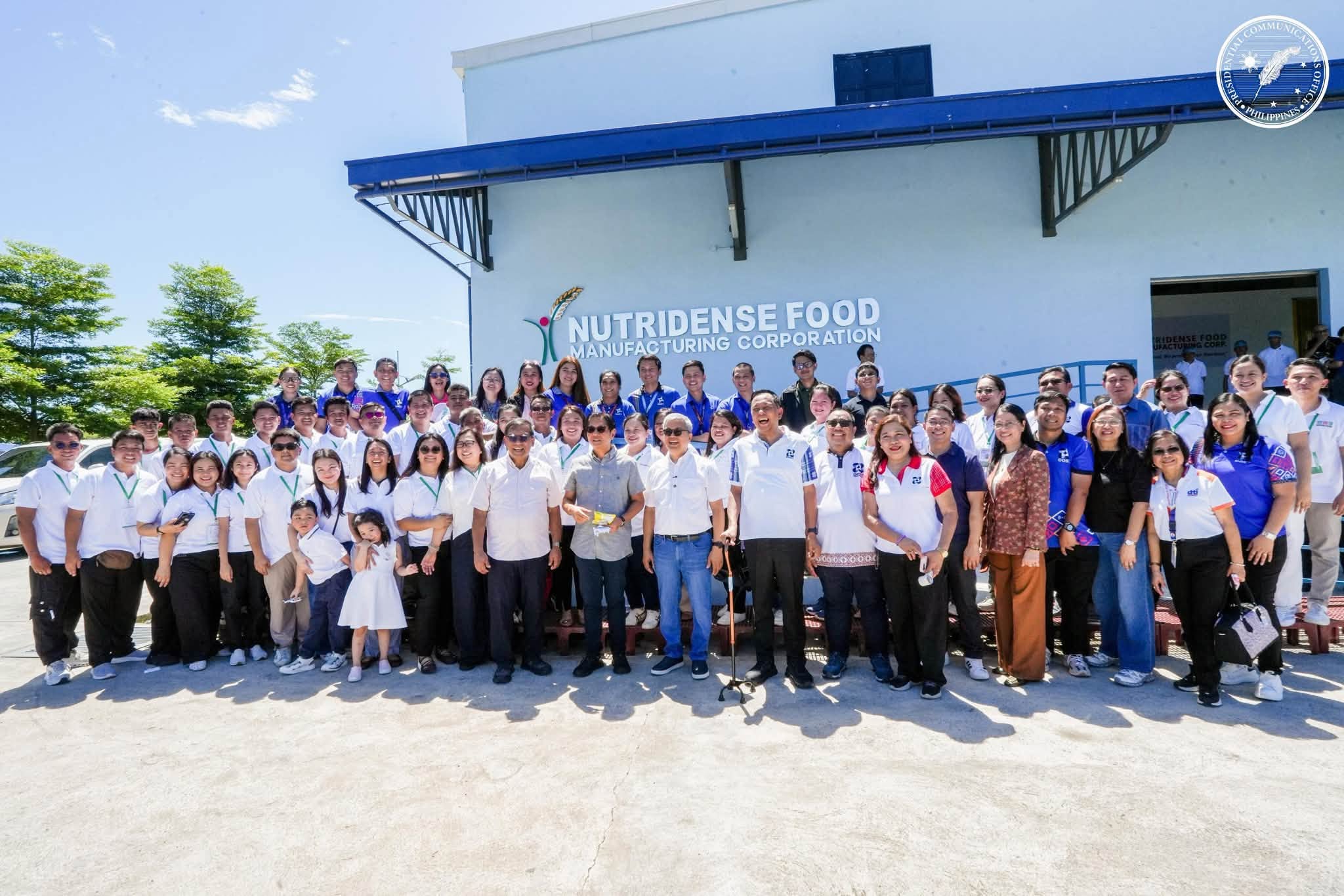
Ininspeksyon ni Pangulong Ferdinand R. Marcos Jr. nitong Huwebes ang pasilidad ng Nutridense Food Manufacturing Corporation (NFMC) sa Barangay Malanay, Sta. Barbara, Pangasinan, isang kumpanyang nagsimula bilang micro, small and medium enterprise (MSME) at lumago sa tulong ng mga programa sa agham at teknolohiya ng pamahalaan.
Kasama ni Pangulong Marcos si Department of Science and Technology (DOST) Secretary Renato U. Solidum Jr. sa pag-iikot sa mga pasilidad ng kumpanya na gumagawa ng complementary food, biscuits, at wafers.
Tampok sa pagbisita ang naging epekto ng DOST Small Enterprise Technology Upgrading Program (SETUP) at paggamit ng mga food technology na binuo ng DOST-Food and Nutrition Research Institute (FNRI) sa paglago ng NFMC.
Itinatag ni Racky D. Doctor, nagsimula ang kumpanya bilang Long Live Pharma, na unang nakatanggap ng tulong mula sa DOST noong 2009 upang mapalawak ang produksyon ng Hyposol, isang chlorine-based water disinfectant.
Kalaunan, lumipat ang kumpanya sa paggawa ng mga produktong nakatuon sa nutrisyon matapos gamitin ang mga teknolohiyang binuo ng DOST-FNRI.
Sa ilalim ng SETUP, nakatanggap ang NFMC ng PhP3.10 milyon halaga ng equipment assistance noong 2015, kabilang ang kernel extruders, blending machines at iba pang kagamitan na nagbigay-daan sa mas malawak na produksyon ng mga produktong pangnutrisyon.
Sa kasalukuyan, gumagamit na ang kumpanya ng humigit-kumulang 40 teknolohiyang may kaugnayan sa DOST, karamihan ay binuo ng FNRI.
Kabilang sa mga produkto nito ang iron-fortified rice, iron rice premix, rice-mongo complementary foods, high-protein crackers, vegetable cookies at enhanced Nutribun.
Isa rin ang NFMC sa mga unang gumamit ng enhanced Nutribun technology ng DOST at nagsimulang gumawa nito noong 2020.
Nagbigay rin ang DOST ng technical assistance at pagsasanay sa food processing, food safety at quality standards upang matulungan ang kumpanya na mapabuti at madagdagan ang mga produkto nito.
Dahil dito, umabot na sa mahigit 400,000 kilo kada taon ang production capacity ng NFMC.
Umaabot na rin sa 16 na rehiyon ang distribusyon ng mga produkto nito sa pamamagitan ng 15 partner distributors. Ginagamit ang mga ito sa feeding program, supplementary nutrition at emergency relief operations ng mga national government agencies at local government units.
Gumagawa rin ang NFMC ng mga ready-to-eat meals na maaaring itago nang matagal, na nakatutulong sa pagbibigay ng masustansiyang pagkain sa panahon ng kalamidad at emergency response operations.
Sa kasalukuyan, may 103 regular employees at 186 project-based workers ang kumpanya. Kumukuha rin ito ng mga materyales mula sa mga lokal na magsasaka, rice millers at iba pang agricultural suppliers.
Bukod dito, tumutulong ang NFMC sa mga umuusbong na MSMEs sa pamamagitan ng technical guidance, co-manufacturing support at pagbabahagi ng kaalaman sa paggamit ng food technologies.
Kinilala rin ang kumpanya sa iba’t ibang parangal, kabilang ang 2025 SETUP PRAISE Award ng DOST, na kumikilala sa mga negosyong nagpapakita ng productivity, resilience, agility, innovation, sustainability at excellence sa paggamit ng science and technology.
Ipinakita ng pagbisita ni Pangulong Marcos ang patuloy na suporta ng pamahalaan sa mga MSME, partikular sa paggamit ng agham at teknolohiya upang mapataas ang produksyon, makalikha ng trabaho, mapalawak ang negosyo at makatulong sa pagtugon sa pangangailangan sa nutrisyon ng mga Pilipino. | PND
17 September 2026
17 September 2026
17 September 2026
16 September 2026
16 September 2026
16 September 2026
16 September 2026
15 September 2026
15 September 2026
15 September 2026
15 September 2026
15 September 2026
15 September 2026
15 September 2026
15 September 2026
15 September 2026
15 September 2026
14 September 2026
14 September 2026
17 September 2026
President Ferdinand R. Marcos Jr. on Thursday underscored the importance of linking government-developed food technologies with local agricultural production to strengthen the country’s food supply, improve nutrition, and provide farmers with reliable markets.
President Marcos highlighted the approach during his inspection of Nutridense Food Manufacturing Corporation in Barangay Malanay, Sta. Barbara, Pangasinan, where technologies developed by the Department of Science and Technology (DOST) are being transformed into commercially produced nutritious food products.
“So, ang mga produktong nakita ninyo ay iyong R&D niyan, Research and Development, ay ginawa ng DOST,” the President said.
President Marcos said the country has many capable scientists and researchers, but a major challenge is bringing innovations from the laboratory to large-scale commercial production.
“Marami tayong mga magagaling na scientist, marami tayong mga researchers, pero mula sa laboratoryo hanggang sa manufacturing, iyong pag-scale up ng production, iyon ang kailangan talagang pag-aralan,” the President said.
The Chief Executive said partnerships with companies such as Nutridense help bridge that gap by combining government research and technology with private-sector manufacturing capacity.
DOST has provided the company with food technologies, technical assistance and support for machinery that enabled it to expand the production of fortified and nutrient-rich food products.
President Marcos said such partnerships not only increase food production but also help provide children with healthier and more nutritious food options through government feeding and nutrition programs.
“So, this is the kind of operation that we need, so that not only are we able to supply, not only are we able to secure our food supply, but also we are providing our children especially with proper nutrition,” the President noted.
The President also emphasized that the benefits of technology-driven food manufacturing should extend to farmers who supply the raw materials needed by processors.
Nutridense sources raw materials locally and engages in contract farming, providing agricultural producers with a direct market for their crops.
President Marcos said connecting research, manufacturing and agriculture creates a broader production system in which government technology supports businesses while businesses, in turn, generate markets for farmers.
The President said the government is pursuing similar facilities in other parts of the country to expand production and make nutritious food products accessible to more Filipinos.
Nutridense has adopted DOST-developed technologies for fortified and complementary foods, including products used in school feeding, supplementary nutrition and other government programs.
The company has also expanded from an enterprise that started with seven workers to an operation that now employs more than 300 people, according to President Marcos.
The President said the model demonstrates how science and technology, private-sector manufacturing and local agriculture can work together to improve food production, nutrition and livelihood opportunities. | PND
17 September 2026
17 September 2026
17 September 2026
16 September 2026
16 September 2026
16 September 2026
16 September 2026
15 September 2026
15 September 2026
15 September 2026
15 September 2026
15 September 2026
15 September 2026
15 September 2026
15 September 2026
15 September 2026
15 September 2026
14 September 2026
14 September 2026
17 September 2026
President Ferdinand R. Marcos Jr. on Thursday inspected the facilities of Nutridense Food Manufacturing Corporation (NFMC), a government-assisted private company that grew from a micro, small, and medium enterprise (MSME) into a model of technology-driven food manufacturing in Pangasinan.
President Marcos toured the company’s complementary food, biscuit and wafer production facilities in Barangay Malanay, Sta. Barbara, to see how government science and technology programs have helped expand its operations.
The President was accompanied by Department of Science and Technology (DOST) Secretary Renato U. Solidum Jr., along with other national and local government officials and NFMC representatives.
The visit highlighted the impact of the DOST’s Small Enterprise Technology Upgrading Program (SETUP) and the commercialization of food technologies developed by the DOST-Food and Nutrition Research Institute (FNRI).
Founded by Racky D. Doctor, NFMC traces its roots to Long Live Pharma, which first received DOST assistance in 2009 to scale up production of Hyposol, a chlorine-based water disinfectant.
The company later shifted toward nutrition-focused food manufacturing after adopting technologies developed by DOST-FNRI.
Under SETUP, DOST provided NFMC with P3.10 million in equipment assistance in 2015, including kernel extruders, blending machines and other processing equipment that enabled commercial-scale production of nutrition products.
The company has since adopted around 40 DOST-related technologies, most of them developed by FNRI, covering fortified foods, complementary snacks and ready-to-eat products.
Among its products are iron-fortified rice, iron rice premix, rice-mongo complementary foods, high-protein crackers, vegetable cookies and the enhanced Nutribun.
DOST records show NFMC was among the early adopters of the enhanced Nutribun technology and began production at its facility in 2020.
DOST also provided technical assistance and training on food processing, food safety and quality standards to help the company improve and diversify its products.
These government interventions helped NFMC increase its annual production capacity to more than 400,000 kilograms, with its products now reaching 16 regions through 15 partner distributors and being used in feeding, supplementary nutrition, and emergency relief programs involving national government agencies and local government units.
NFMC also produces shelf-stable ready-to-eat meals intended to make nutritious food available during disasters and emergency response operations.
The company currently sustains 103 regular employees and 186 project-based workers while sourcing from local farmers, rice millers and other agricultural suppliers.
It also assists emerging MSMEs through technical guidance, co-manufacturing support and advice on adopting food technologies.
NFMC’s development has earned it several recognitions, including the DOST’s 2025 SETUP PRAISE Award, which recognizes enterprises that demonstrate productivity, resilience, agility, innovation, sustainability and excellence through science and technology adoption.
DOST has described Nutridense as an example of how SETUP assistance and government-developed technologies can help MSMEs improve productivity, expand operations and contribute to addressing nutrition needs. | PND
17 September 2026
17 September 2026
17 September 2026
16 September 2026
16 September 2026
16 September 2026
16 September 2026
15 September 2026
15 September 2026
15 September 2026
15 September 2026
15 September 2026
15 September 2026
15 September 2026
15 September 2026
15 September 2026
15 September 2026
14 September 2026
14 September 2026
16 September 2026
President Ferdinand R. Marcos Jr. on Thursday spearheaded the delivery of integrated health and nutrition services during a visit to Sta. Barbara Central School, in Sta. Barbara, Pangasinan.
The Presidential visit highlighted the national government’s whole-of-school strategy by integrating primary healthcare access, targeted nutrition, and heritage preservation in a single venue.
President Marcos inspected the primary healthcare activities under the Philippine Health Insurance Corporation’s (PhilHealth) Yaman ng Kalusugan Program (YAKAP) at the Sta. Barbara Central School.
Upon arrival, the President, together with other national and local government officials, inspected the three booths of the YAKAP Caravan, which provided PhilHealth registration, ID registration and member data updating, medical and dental checkups, and the distribution of vitamins and medicines.
The President proceeded to the historic Gabaldon Building to observe the ongoing implementation of the School-Based Feeding Program (SBFP), wherein 50 severely wasted and/or undernourished Grade 2 to 6 students received hot meals, with nutrition packs produced by NutriDense.
Gabaldon buildings are historic because they represent the foundation of the Philippine public school system and feature a unique architectural style adapted to the tropical climate.
For School Year 2026 to 2027, the program targets 385 beneficiaries at Sta. Barbara Central School, including 183 learners identified as wasted or severely wasted. Across Pangasinan, the SBFP covers 552 public schools to combat malnutrition and boost learning outcomes.
By combining nutritional support with healthcare integration, the administration aims to improve academic performance and health outcomes across basic education.
The President later checked the Elpidio M. Balolong Science Room, observed the ongoing class, and interacted with the Grade 5-Citrine students.
The Chief Executive was welcomed by an estimated 1,300, composed of teachers, students, and parents.
According to a statement from the Department of Education (DepEd), the initiative brings essential medical services directly to public schools, offering PhilHealth registration, record updates, ID issuance, health orientations, and on-site consultations in coordination with accredited facilities.
YAKAP benefited around 200 learners, parents, and teachers at Sta. Barbara Central School.
As part of President Marcos’s visit, some 1,194 school bags donated by the Office of the President were distributed to the learners.
The SBFP showcase was conducted inside the school’s historic Gabaldon building.
Established under Act No. 1801, or the Gabaldon Act of 1907, these heritage structures feature signature architectural elements, including elevated platforms, large capiz shell window panels, high ceilings, and designs derived from the traditional bahay kubo and bahay na bato to ensure optimal natural ventilation.
Under Republic Act No. 11194, or the Gabaldon School Buildings Conservation Act, and Department of Education policies, the preservation of Gabaldon school buildings remains a priority to safeguard cultural memory while maintaining safe, modern learning spaces for learners.
During his visit, President Marcos was assisted by DepEd Undersecretary Fatima Lipp Panontongan and Claire M. Zabala, Principal IV, of the Sta. Barbara Central School. Ӏ PND
17 September 2026
17 September 2026
17 September 2026
17 September 2026
16 September 2026
16 September 2026
16 September 2026
15 September 2026
15 September 2026
15 September 2026
15 September 2026
15 September 2026
15 September 2026
15 September 2026
15 September 2026
15 September 2026
15 September 2026
14 September 2026
14 September 2026
16 September 2026
President Ferdinand R. Marcos Jr. on Wednesday said the government’s ongoing railway projects are part of a broader effort to improve mobility and connectivity in the country.
“Every minute saved on the road is spent with loved ones, time to better ourselves, and time to be productive citizens. That is what projects such as the Metro Manila Subway must ultimately deliver,” President Marcos said in his speech during the groundbreaking of the Metro Manila Subway Project (MMSP)-NAIA Terminal Station at the Ninoy Aquino International Airport (NAIA) Terminal 3 in Pasay City.
The President added that the subway project, together with the North-South Commuter Railway, MRT-7, the Common Station, and other railway projects, would help address traffic congestion, reduce travel time, and provide Filipinos with a more efficient and dependable public transport system.
“This project, along with other railway projects that we are currently undertaking, such as the North-South Commuter Railway, MRT-7, the Common Station, and our other rail projects, forms part of our broader effort to improve mobility and connectivity,” President Marcos said.
“Of course, building a subway beneath a dense and highly developed city is no simple undertaking,” the President said.
President Marcos noted that Contract Package 109, a project that brings that network closer to the Philippines’ international gateway, covers the construction of the underground NAIA Terminal 3 Station and its connecting tunnels between Taguig and Pasay.
“That is why CP109 will also introduce advanced engineering methods to the Philippines,” the Chief Executive said. “Its tunnels will require the underpinning of existing expressway piers, the first application of this type of technology for tunnel construction in the country.”
“Proven in Japan, this method will help ensure that construction can proceed safely beneath existing infrastructure while also maintaining structural integrity,” the President said.
President Marcos noted that another important milestone is that 100 percent of the station-area right-of-way has already been secured, allowing construction to move forward with greater certainty.
“This progress reflects the cooperation of government, the private sector, and our development partners,” the President added.
At the event, President Marcos also thanked the local governments for bringing this project forward.
“As we break ground on Contract Package 109, let us continue this work with urgency, discipline, and excellence,” President Marcos said.
The Chief Executive also thanked the Government of Japan and the Japan International Cooperation Agency (JICA) for their longstanding support for the Metro Manila Subway.
“And to our contractors, engineers, and workers: much of what we celebrate in projects like this rests on the work that you do every day. I ask that you carry out this project safely, efficiently, and on time, with the quality that generations of Filipinos deserve,” President Marcos said.
The President also noted that the whole Metro Manila Subway project has achieved nearly 60 percent overall progress, with construction activities underway across much of its alignment.
“Together, these projects will better connect communities within Metro Manila and beyond, providing greater convenience and better opportunities for our people,” President Marcos said.
“Ladies and gentlemen, when we broke ground on the Kalayaan and BGC stations earlier this year, we spoke about the importance of every Filipino’s time. That remains at the heart of the work we continue today,” the President emphasized.
Among the guests who attended the event were Department of Transportation Acting Secretary Giovanni Lopez, Senator Joseph Victor “JV” Ejercito; Pasay City Rep. Antonino Calixto; and Pasay City Mayor Imelda Calixto-Rubiano.
Also present were Ramon Ang, president of New NAIA Infra Corp.; Ono Sho, Chargé d’Affaires ad interim, Embassy of Japan to the Philippines; Takashi Baba, Chief Representative of Japan International Cooperation Agency (JICA); Tatsuya Sugawara, Managing Executive Officer, Taisei Corporation; partners from the private sector; and other national and local government officials. | PND
17 September 2026
17 September 2026
17 September 2026
17 September 2026
16 September 2026
16 September 2026
16 September 2026
15 September 2026
15 September 2026
15 September 2026
15 September 2026
15 September 2026
15 September 2026
15 September 2026
15 September 2026
15 September 2026
15 September 2026
14 September 2026
14 September 2026
16 September 2026
The government will provide assistance, especially to those directly affected by the crisis in the Middle East, through the Unified Package for Livelihoods, Industry, Food, and Transport (UPLIFT) and other government programs, a Palace official said on Wednesday.
The UPLIFT Committee is a whole-of-government crisis response framework established by President Ferdinand R. Marcos Jr. under Executive Order No. 110 in March 2026.
Presidential Communications Office (PCO) Undersecretary and Palace Press Officer Claire Castro made the remarks during a press briefing in Malacañang when asked about the government’s continued support to sectors affected by the oil price increases.
“Alam naman na mayroong tayong UPLIFT at may mga programa tayo na kung saan ay maaari nating tulungan lalung-lalo na iyong direktang natatarget ng epekto ng krisis sa Middle East,” said Castro.
Citing the budget department, Castro added that since the UPLIFT funding is not a line item, it depends on the needs that the implementing agencies present or specify.
The Palace official said the savings of the agencies will be determined, stressing that if projects remain unimplemented, they can be declared as savings and used for UPLIFT.
On the President’s decision to suspend or reduce oil excise tax after the Department of Energy (DOE) certified that Dubai crude oil reached US$80 per barrel, Castro said the Development Budget Coordinating Committee (DBCC) has not yet issued a final evaluation or recommendation.
Breaching the US$80 per barrel threshold for a month meets the requirement for the suspension or reduction of excise taxes on petroleum products.
She said the President was leading the Economic Development Council meeting Wednesday afternoon. | PND
17 September 2026
17 September 2026
17 September 2026
17 September 2026
16 September 2026
16 September 2026
16 September 2026
15 September 2026
15 September 2026
15 September 2026
15 September 2026
15 September 2026
15 September 2026
15 September 2026
15 September 2026
15 September 2026
15 September 2026
14 September 2026
14 September 2026
16 September 2026
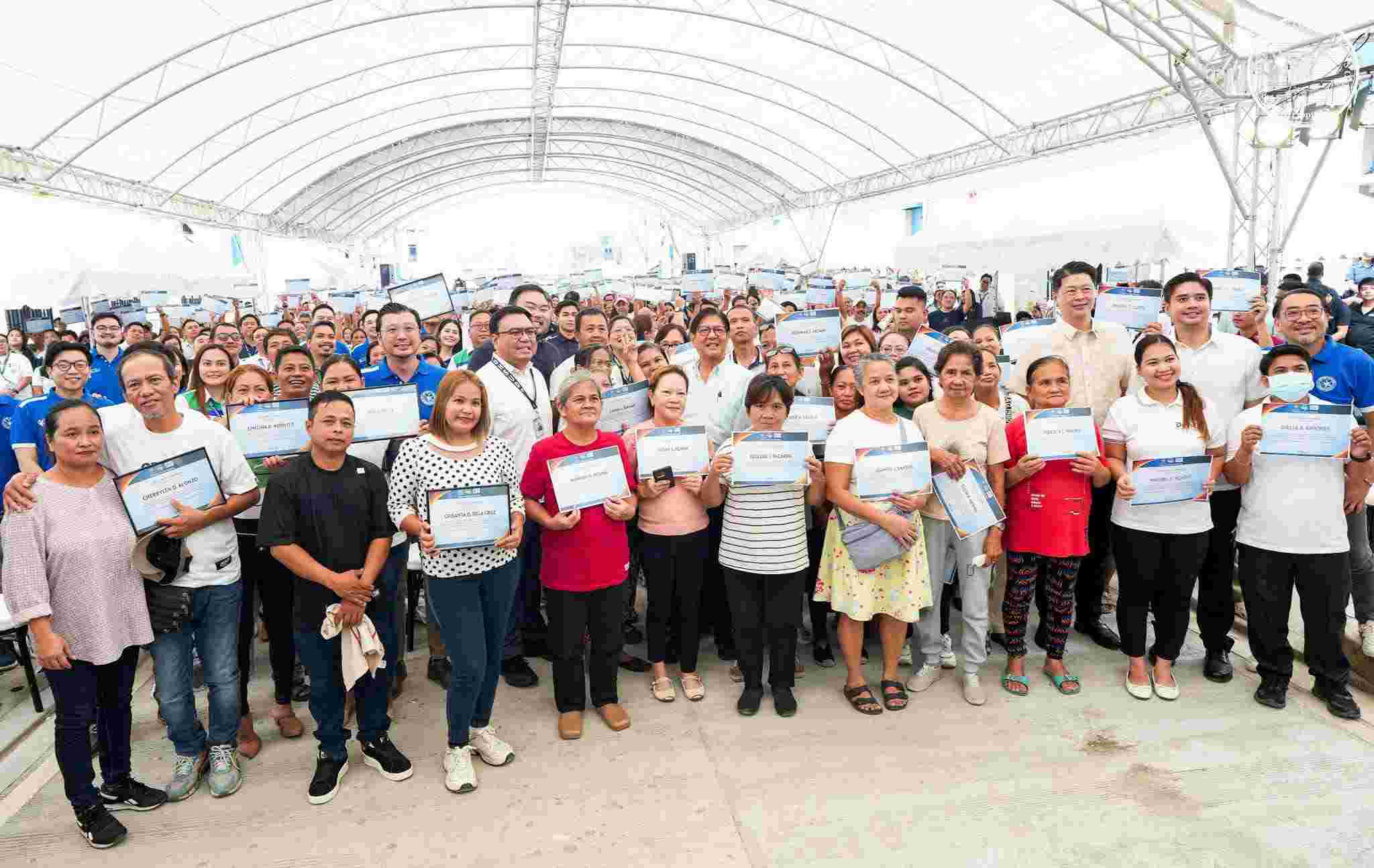
Malacañang on Wednesday welcomed the hiring of more than 2,400 job seekers on the spot during the recent nationwide job fairs conducted by the Department of Labor and Employment (DOLE).
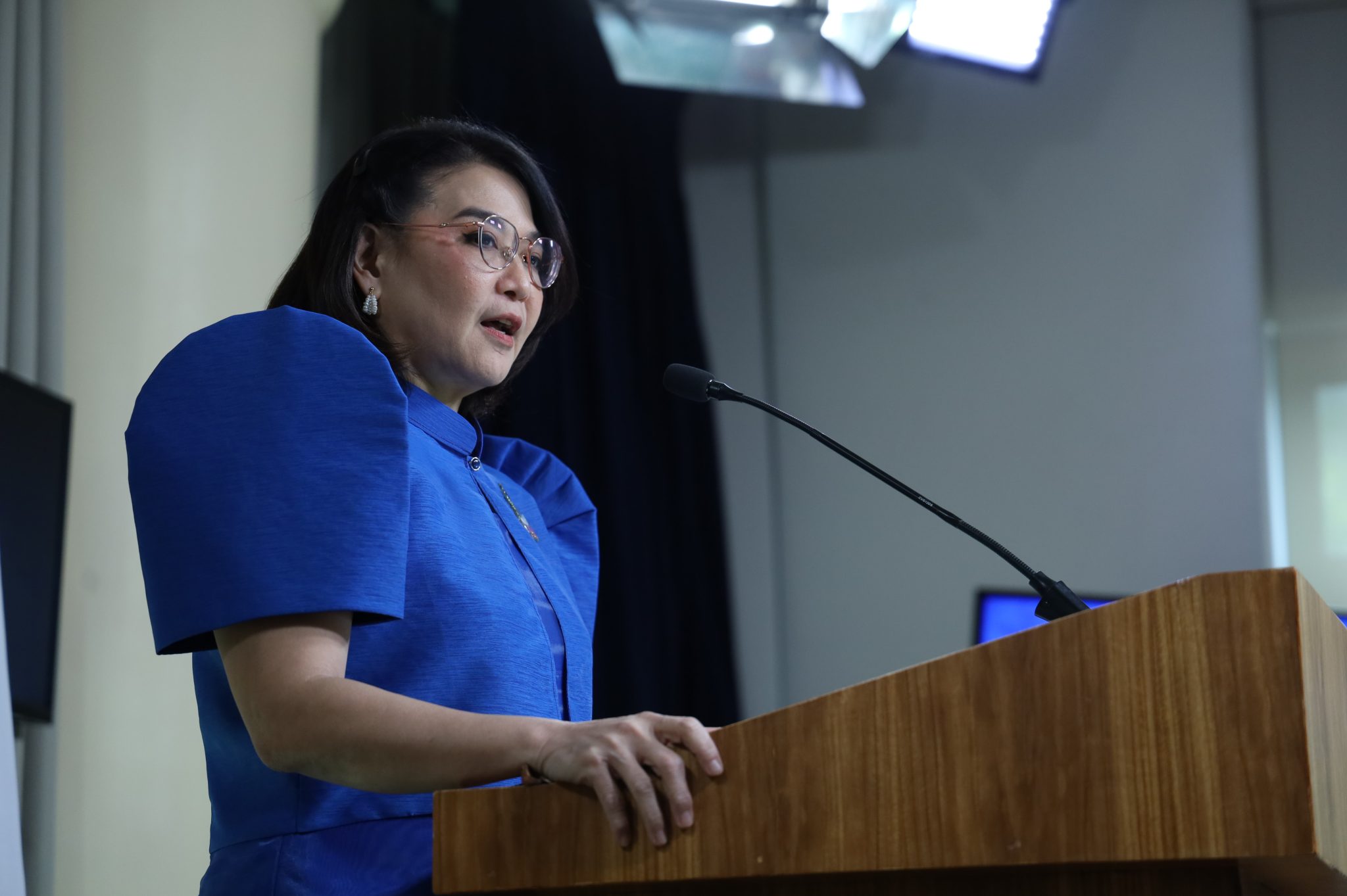
During a Palace press briefing, Presidential Communications Office Undersecretary and Palace Press Officer Claire Castro said the job fairs were held on September 14 at 86 sites across the country as part of the “Handog ng Pangulo 2026.”
“Libo-libong job seekers ang dumalo sa job fairs kung saan 1,352 employers ang nag-alok ng mahigit 157,000 local and overseas job opportunities,” Castro said.
A total of 2,467 job seekers were hired on the spot, according to DOLE.
Castro said the initiative is in line with President Ferdinand R. Marcos Jr.’s directive to bring government services closer to Filipinos and provide more opportunities for decent and stable employment that can help improve their lives.
Beyond employment opportunities, the job fairs also gave job seekers access to various government services.
“Umabot sa 13,342 job seeker ang naserbisyuhan ng on-site government services mula sa NBI, SSS, PhilHealth, at Pag-IBIG sa job fairs,” Castro said.
“Marangal na trabaho at epektibong serbisyo—iyan ang nais ng Pangulo para sa bawat Pilipino,” she added. | PND
17 September 2026
17 September 2026
17 September 2026
17 September 2026
16 September 2026
16 September 2026
16 September 2026
15 September 2026
15 September 2026
15 September 2026
15 September 2026
15 September 2026
15 September 2026
15 September 2026
15 September 2026
15 September 2026
15 September 2026
14 September 2026
14 September 2026
15 September 2026
Officials of the Embassy of Japan and the Pasay City Mayor on Wednesday thanked President Ferdinand R. Marcos Jr. for his Administration’s work on the Metro Manila Subway Project (MMSP), which they described as an important milestone that will link the country’s main international gateway to the Metro Manila subway network.
Chargé d’Affaires of the Embassy of Japan Ono Sho and Pasay City Mayor Imelda Calixto-Rubiano made the remarks as President Marcos led the groundbreaking of the MMSP-NAIA Terminal 3 Station at the Ninoy Aquino International Airport (NAIA) Terminal 3 in Pasay City.
Ono described the groundbreaking of Contract Package 109 (CP109), which covers the underground NAIA Terminal 3 Station and its connecting tunnels, as an important milestone that will link the country’s main international gateway to the Metro Manila subway network.
“I also wish to express my deep respect to the officials of the Philippine government who have worked tirelessly over many years to realize this. To colleagues from both Japan and the Philippines, including JICA, and to the local communities for their understanding and cooperation,” Ono said.
President Marcos led the groundbreaking of the Metro Manila Subway Project (MMSP)-NAIA Terminal 3 Station at the Ninoy Aquino International Airport Terminal 3, Pasay City, a project that would address traffic problems and significantly reduce travel time.
Ono said that for more than half a century, Japan has stood alongside the Philippines in its pursuit of sustainable and inclusive growth, advancing cooperation through official development assistance in a wide range of fields.
“On transport and infrastructure development, disaster risk reduction and management, energy, healthcare, and human resource development, Japan has been proud to work together with the Filipino people,” Ono said.
The Japanese official added that, with the twin pillars of quality infrastructure and human resource development, the cooperation between Japan and the Philippines is an on-the-ground approach that enhances quality of life and unlocks economic vitality.
“This commitment will remain unchanged. The CP109 (Contract Package 109) section we commence today is one of the most important components…once completed, it will directly connect Ninoy Aquino International Airport Terminal 3 to the subway network, marking the first time in the Philippines that an airport will be linked to a mass transit railway system,” the Japan official said.
“This (NAIA Terminal 3 to the subway network) connection will seamlessly link air travel with urban rail transportation, significantly enhancing mobility and convenience for millions of passengers, Ono said. “It will not only make travel easier for business and tourism, but will also contribute to a more efficient and convenient way of life for the people in and around Metro Manila.”
Ono added that this connection is expected to greatly enhance airport access and ease road congestion, leading to shorter travel times and a reduced environmental footprint, the Japan official said.
“Manila will stand shoulder to shoulder with other major Asian hubs, such as Tokyo, Seoul, and Singapore. As part of a more strongly-integrated city network, people and goods, ideas and opportunities will flow more smoothly than ever, strengthening the Philippines’ competitiveness and the region’s connectivity,” he said.
Ono said this year also marks the 70th anniversary of the normalization of diplomatic relations between Japan and the Philippines.
“I’m truly delighted that we can celebrate together the progress of the Metro Manila subway, an emblematic project that will usher in the next era of connectivity. And cooperation between our two countries. Let us take this project as an opportunity to further deepen our partnership across the broad spectrum, not only in infrastructure, but also in digital transformation, green initiatives, and people-to-people exchanges,” Ono said.
Ono said that through these efforts, he is confident the two nations can continue to create new opportunities and contribute to the sustainable development of both countries.
“I strongly hope that construction of CP 109 will proceed safely and smoothly and be completed to the highest standards. I extend my heartfelt wishes for the safety of everyone working on site. I look forward to the early completion of the entire Metro Manila Subway, which will serve as a lasting symbol of our close and enduring partnership,” Ono also said.
For her part, Pasay City Mayor Imelda Calixto-Rubiano thanked President Marcos for the project.
“On behalf of the people of Pasay, allow me to express our gratitude for your continued commitment to completing transformative infrastructure and for ensuring that projects of national importance move from plans to construction and completion and to be of service for our people,” Calixto-Rubiano said in her remarks.
“Together with our honest-to-goodness, we will be able to bring forth the best version of our country for the whole world to see, know, and experience. This station will become more than an entrance to a subway,” she said.
She said this will become an added asset of the gateway to Metro Manila that is more connected, more productive, more competitive, and world-class.
“It is truly a great moment to be among such game changers and driving forces that are nothing short of instrumental in making Bagong Pilipinas a reality,” Calixto-Rubiano said.
Calixto-Rubiano said they are not merely groundbreaking another station, but also breaking ground for the building of a fundamentally different way of moving people through our cities.
As a highly urbanized city, often dubbed as the gateway to Metro Manila, Pasay City prides itself as the first city to meet its guests, both foreign and local, the Pasay City Mayor said.
“With this stature, we know firsthand the importance of urban reforms, developmental planning, and holistic community building, all of which will be realized in the Metro Manila Subway Project, spearheaded by our dear President Ferdinand Bongbong Marcos Jr.,” the mayor said.
For generations, she said, the growth of Metro Manila has been measured vertically through its skyline and economically by the concentration of commerce, employment, and the opportunities within it.
“Yet, the true measure is not simply how much it builds, but how efficiently it allows its people to move. Because mobility is more than transportation, mobility is access, mobility is productivity, mobility is opportunity,” the mayor said.
“Mr. President, your presence gives this milestone even greater meaning. You have consistently emphasized that our transportation challenges require sustainable and long-term solutions,” Calixto-Rubiano said.
Among the guests who attended the event were Department of Transportation Acting Secretary Giovanni Lopez, Senator Joseph Victor “JV” Ejercito; and Pasay City Rep. Antonino Calixto.
Also present were Ramon Ang, president of New NAIA Infra Corp; Takashi Baba, Chief Representative of Japan International Cooperation Agency (JICA); Tatsuya Sugawara, Managing Executive Officer, Taisei Corporation; partners from the private sector; and other national and local government officials. | PND
17 September 2026
17 September 2026
17 September 2026
17 September 2026
16 September 2026
16 September 2026
16 September 2026
16 September 2026
15 September 2026
15 September 2026
15 September 2026
15 September 2026
15 September 2026
15 September 2026
15 September 2026
15 September 2026
15 September 2026
14 September 2026
14 September 2026
15 September 2026
Pinalalakas ng pamahalaan ang transportasyon at koneksyon sa bansa sa pamamagitan ng mga railway project, ayon kay Pangulong Ferdinand R. Marcos Jr.
Sinabi ito ng Pangulo nang pangunahan ang groundbreaking ng Metro Manila Subway Project-NAIA Terminal 3 Station sa Ninoy Aquino International Airport sa Pasay City.
Layunin ng proyekto na maibsan ang trapiko at mapabilis ang biyahe.
“This project, along with other railway projects that we are currently undertaking, such as the North-South Commuter Railway, MRT-7, the Common Station, and our other rail projects, forms part of our broader effort to improve mobility and connectivity,” pahayag ni Pangulong Marcos sa seremonya.
(Ang proyektong ito, kasama ng iba pa nating isinasagawang railway project tulad ng North-South Commuter Railway, MRT-7, Common Station at iba pang rail project, ay bahagi ng mas malawak nating pagsisikap na mapadali ang pagbiyahe at mapalakas ang koneksyon sa bansa.)
Kabilang sa Contract Package 109 o CP109 ang underground NAIA Terminal 3 Station at connecting tunnels nito sa pagitan ng Taguig at Pasay.
Gagamit ito ng makabagong teknolohiya sa paggawa ng tunnel, kabilang ang pagpapatibay sa pundasyon ng mga kasalukuyang expressway pier upang ligtas na maisagawa ang konstruksyon sa ilalim ng mga umiiral na imprastraktura.
Ayon sa Pangulo, subok na sa Japan ang teknolohiyang gagamitin.
Nakumpleto na rin ang 100 porsiyento ng right-of-way sa station area, kaya mas tuluy-tuloy ang konstruksyon.
“This progress reflects the cooperation of government, the private sector, and our development partners,” pahayag ni Pangulong Marcos.
(Ipinapakita ng pag-unlad na ito ang pagtutulungan ng pamahalaan, pribadong sektor at ating mga development partner.)
Pinasalamatan ng Pangulo ang mga lokal na pamahalaan, gayundin ang Government of Japan at Japan International Cooperation Agency o JICA, sa kanilang suporta sa proyekto.
Sa pagsisimula ng CP109, hinimok ng Pangulo ang mga contractor, engineer at manggagawa na tiyaking ligtas, episyente, nasa oras at de-kalidad ang proyekto.
Iniulat din ng Pangulo na halos 60 porsiyento na ang overall progress ng Metro Manila Subway, habang nagpapatuloy ang konstruksyon sa malaking bahagi ng alignment nito.
“Together, these projects will better connect communities within Metro Manila and beyond, providing greater convenience and better opportunities for our people,” ayon sa Pangulo.
(Sa pamamagitan ng mga proyektong ito, mas mapapadali ang pag-uugnayan ng mga komunidad sa Metro Manila at mga karatig-lugar, na magbibigay ng mas maginhawang biyahe at mas maraming oportunidad para sa ating mga kababayan.)
Binigyang-diin din ng Pangulo ang kahalagahan ng oras ng bawat Pilipino.
Aniya, bawat minutong natitipid sa biyahe ay dagdag na oras para sa pamilya, sariling pag-unlad at pagiging produktibong mamamayan.
“That is what projects such as the Metro Manila Subway must ultimately deliver,” dagdag ng Pangulo.
(Iyan ang dapat maging resulta ng mga proyektong tulad ng Metro Manila Subway.) | PND
17 September 2026
17 September 2026
17 September 2026
17 September 2026
16 September 2026
16 September 2026
16 September 2026
16 September 2026
15 September 2026
15 September 2026
15 September 2026
15 September 2026
15 September 2026
15 September 2026
15 September 2026
15 September 2026
15 September 2026
14 September 2026
14 September 2026
 PBBM
PBBM PCO
PCO RTVM
RTVM BOC
BOC DENR
DENR DEPED
DEPED DFA
DFA DICT
DICT DOA
DOA DOT
DOT DOH
DOH DOTR
DOTR DTI
DTI IBC13
IBC13 PTV4
PTV4 RP1
RP1 CONGRESS
 SENATE
 JUDICIARY