
24 November 2026
To produce more world-class Filipino athletes, President Ferdinand R. Marcos Jr. reaffirmed his administration’s commitment to strengthening grassroots sports programs, improving training facilities and providing sustained support to promising young athletes.
President Marcos highlighted these initiatives during the MILO–Alex Eala Homecoming at Pasig Central Elementary School on Tuesday.
The Chief Executive emphasized that developing future sporting champions requires proper training, competent coaches, adequate facilities and continuing financial support.
“An athlete requires a great deal of support,” President Marcos said.
Recalling his experience as governor of Ilocos Norte, the President underscored the importance of proper nutrition, adequate rest and disciplined training in preparing athletes for competitions.
The President said competent coaches played an important role in the sporting achievements of young athletes from his province.
The President also highlighted the administration’s continuing support for the Department of Education’s Palarong Pambansa and the Philippine Sports Commission’s Batang Pinoy Games.
“We have now the Batang Pinoy Games that is also encouraging young people,” President Marcos said.
These national sporting competitions provide young athletes from schools and communities with opportunities to demonstrate their abilities and compete at higher levels.
The administration is also improving government sports facilities to provide Filipino athletes with better training and competition venues.
“We are doing everything that we can to bring the facilities to our kids,” the President said.
Among these initiatives was the rehabilitation of the PhilSports Complex, popularly known as ULTRA, which President Marcos and First Lady Louise Araneta-Marcos reopened in November 2025.
The renovated Rizal Memorial Tennis Center in Manila also hosted the 2026 Philippine Women’s Open, providing a venue for international tennis competition.
During an ambush interview following the celebration, President Marcos emphasized the need to secure sponsorships and other forms of assistance for promising Filipino athletes.
He also recognized MILO’s longstanding contribution to grassroots sports development and its support for generations of Filipino athletes.
Through sustained government investment and stronger partnerships with the private sector, President Marcos’s administration seeks to give more young Filipinos the opportunity to become national and international sporting champions. | PND
23 November 2026
23 November 2026
23 November 2026
20 November 2026
20 November 2026
20 November 2026
20 November 2026
20 November 2026
20 November 2026
19 November 2026
18 November 2026
18 November 2026
18 November 2026
18 November 2026
17 November 2026

17 November 2026
17 November 2026
17 November 2026

17 November 2026
17 November 2026
23 November 2026
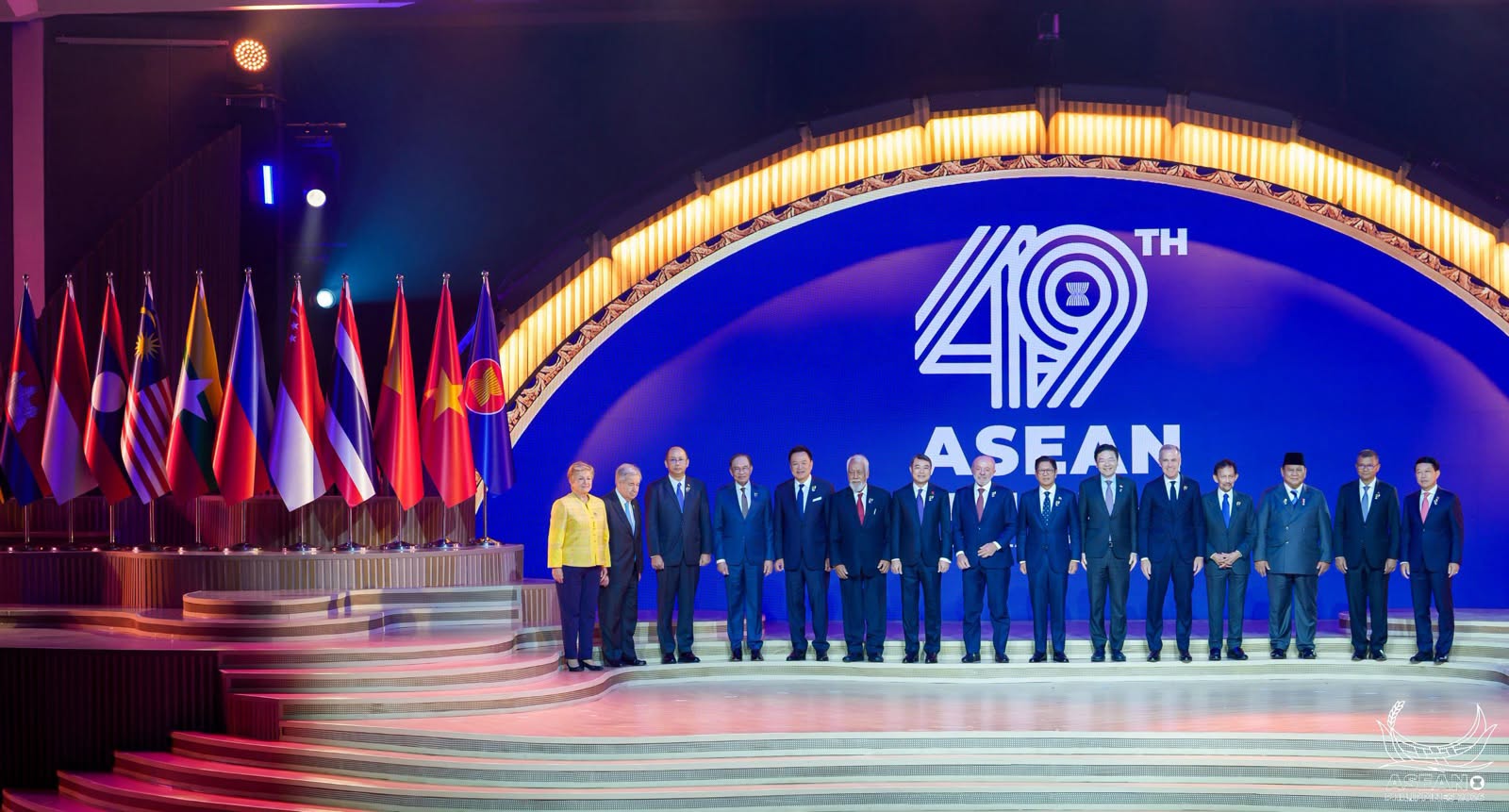
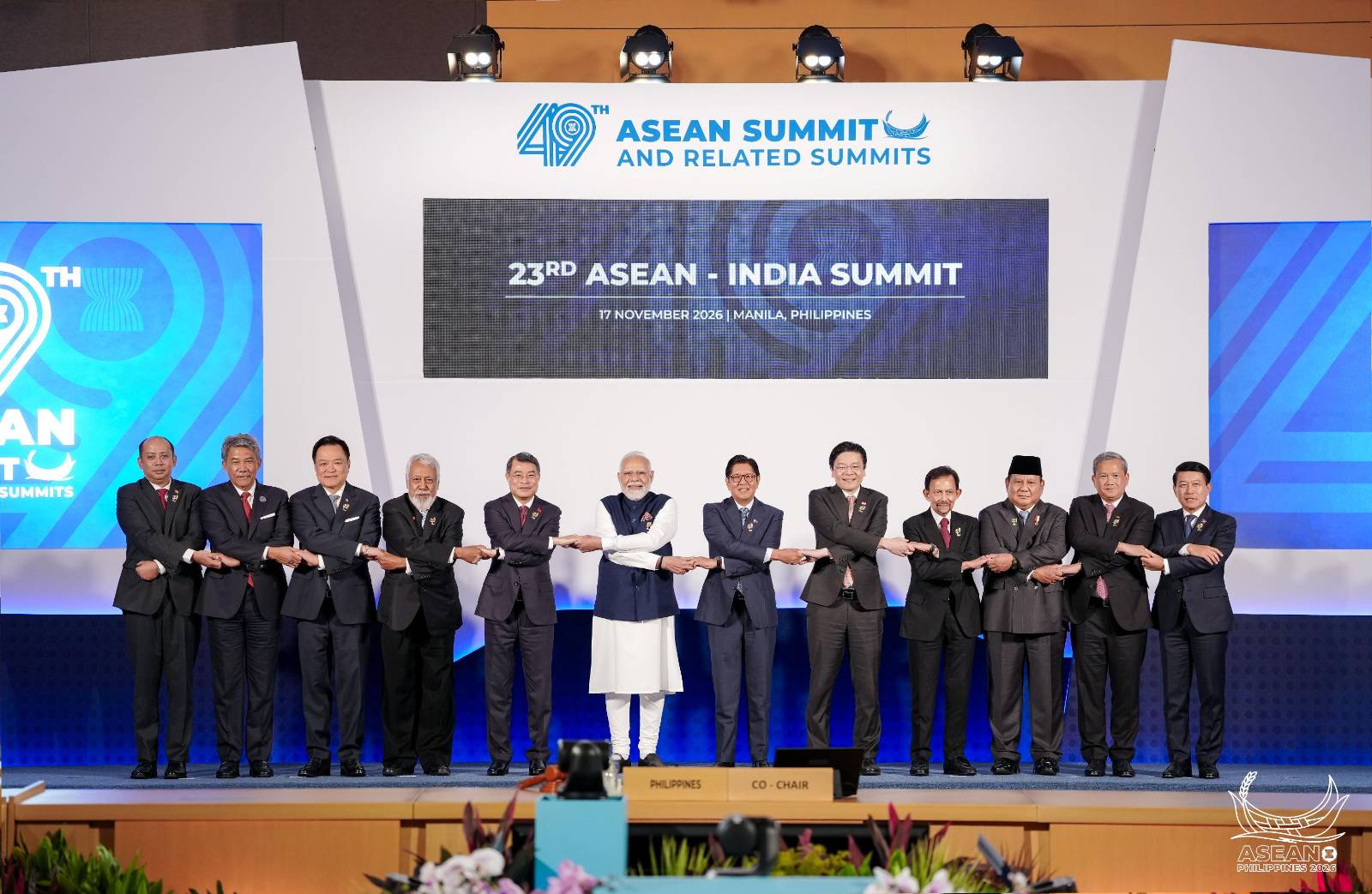
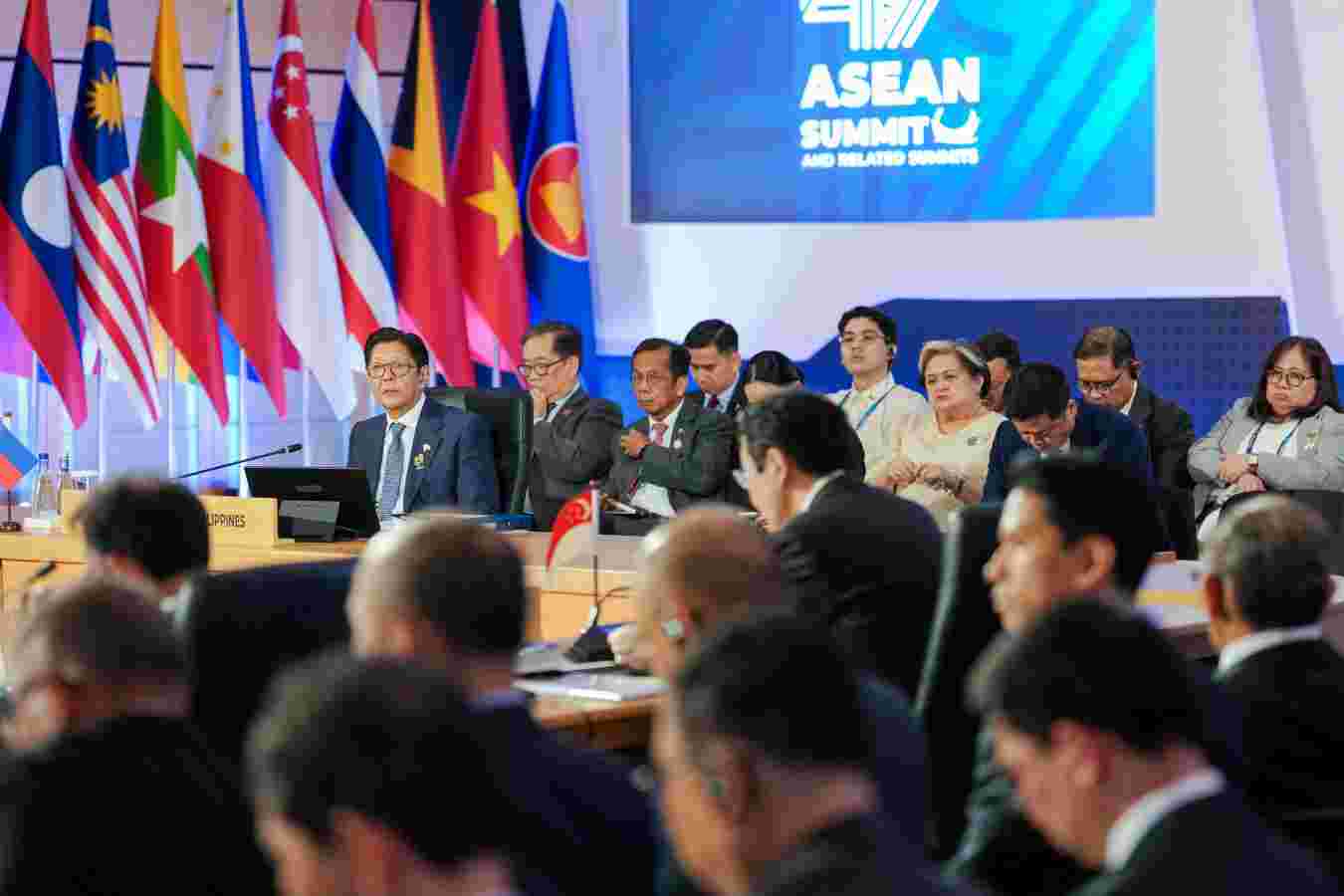
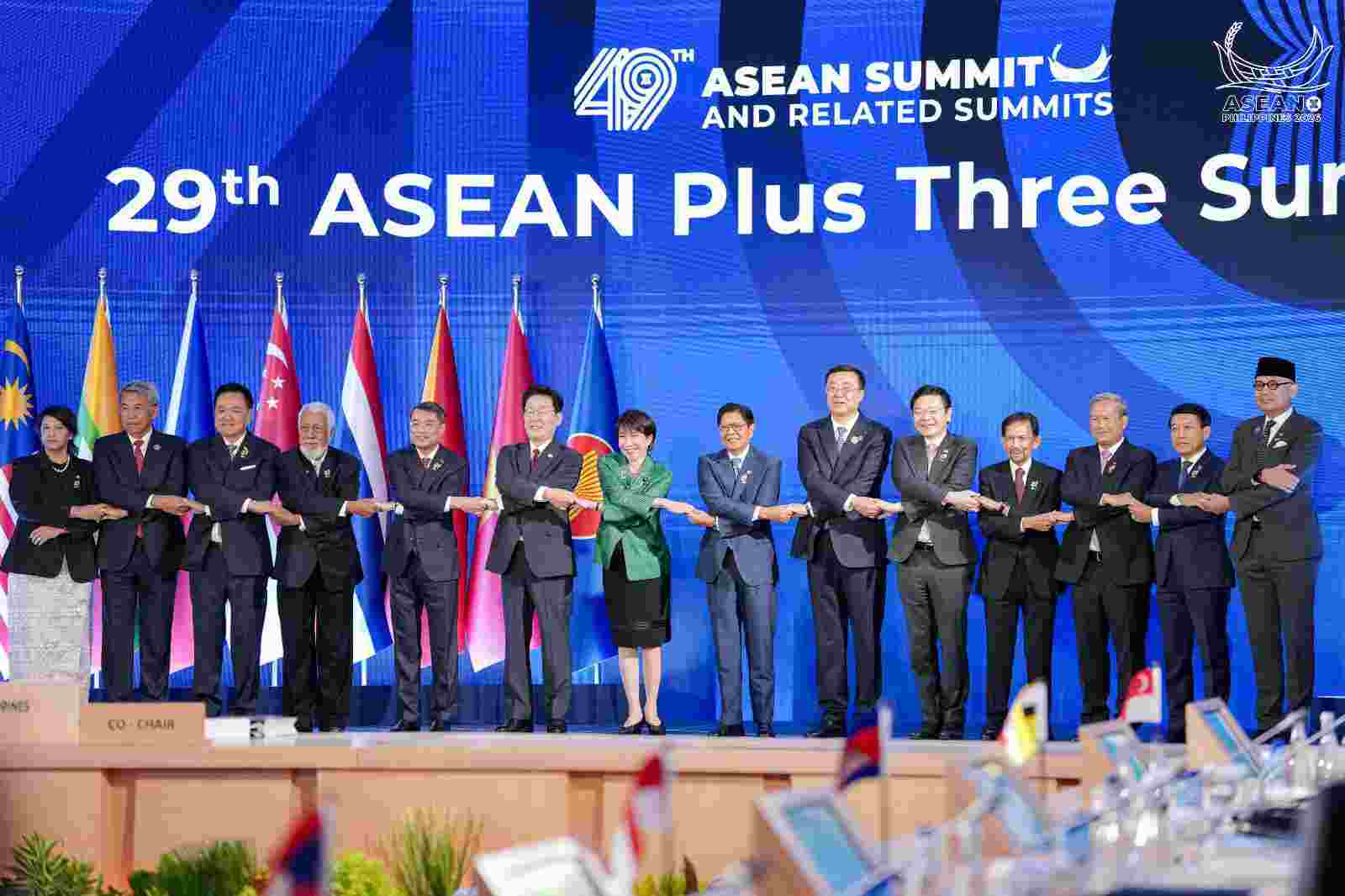
Filipino households and businesses could benefit from more reliable and affordable electricity as President Ferdinand R. Marcos Jr. pushes stronger regional energy cooperation following the successful hosting of the 49th ASEAN Summit and Related Summits in Manila.
The President highlighted the need to strengthen energy security, expand renewable energy sources and improve electricity connections among Southeast Asian nations.
During the summit, ASEAN leaders advanced plans for the ASEAN Power Grid, which seeks to connect electricity systems across the region and allow countries to share power supplies.
“On the energy front, we advanced the ASEAN energy interconnectivity,” the President said.
The initiative could also help countries respond to energy shortages, reduce dependence on imported fuels and improve the reliability of electricity services.
Speaking at the ASEAN Summit Retreat Session on November 15, President Marcos emphasized that energy security directly affects the daily lives of ordinary people.
The President stressed that “when fuel prices rise, food prices rise.”
“When electricity costs increase, we feel it in our lives,” the President added.
President Marcos stressed that regional cooperation must produce practical benefits, particularly for families struggling with rising living costs.
“Energy security is ultimately about the security of our livelihoods,” the President said.
The President also called for greater investments in renewable energy, including cleaner sources of electricity that could reduce the region’s dependence on fossil fuels.
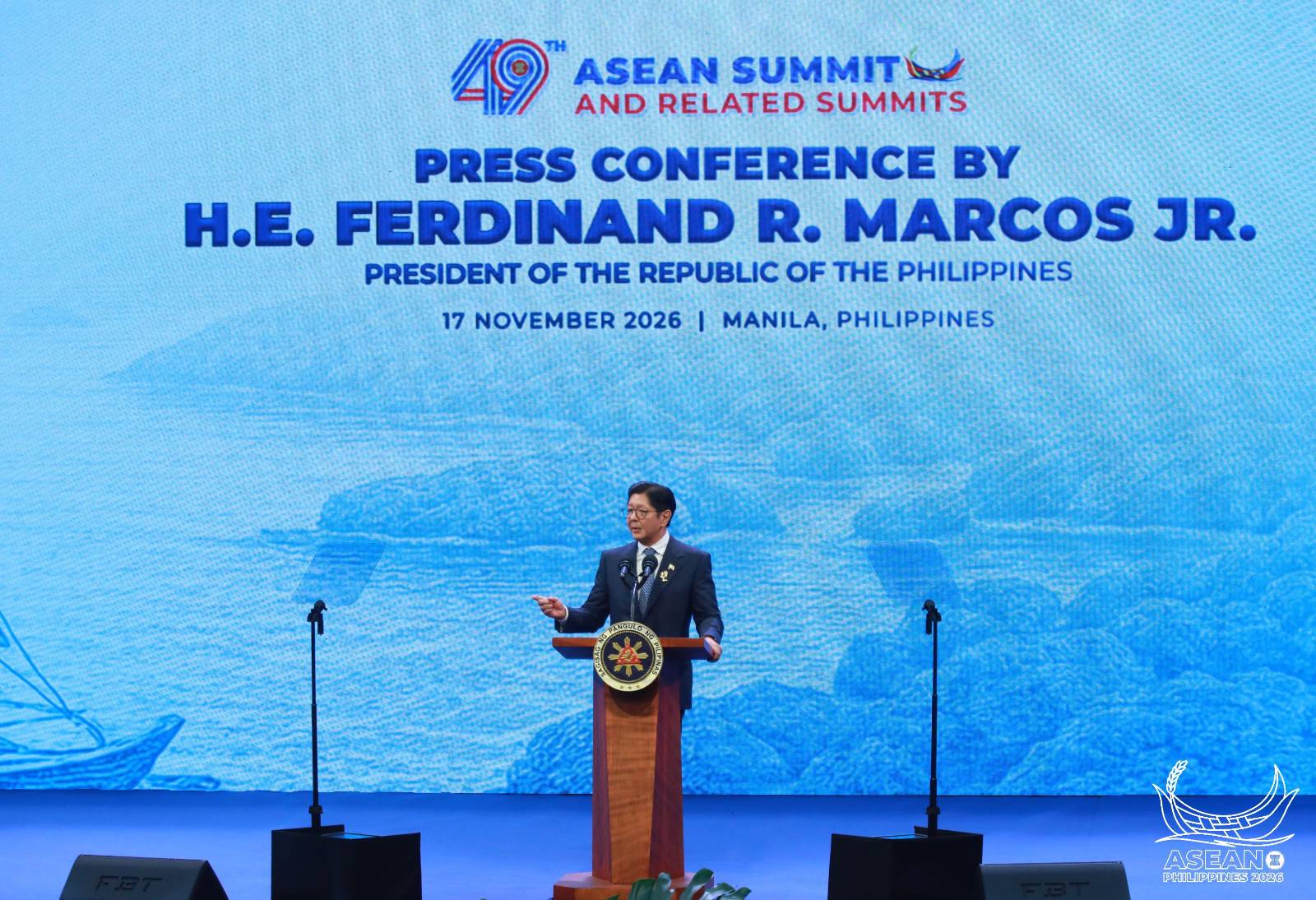
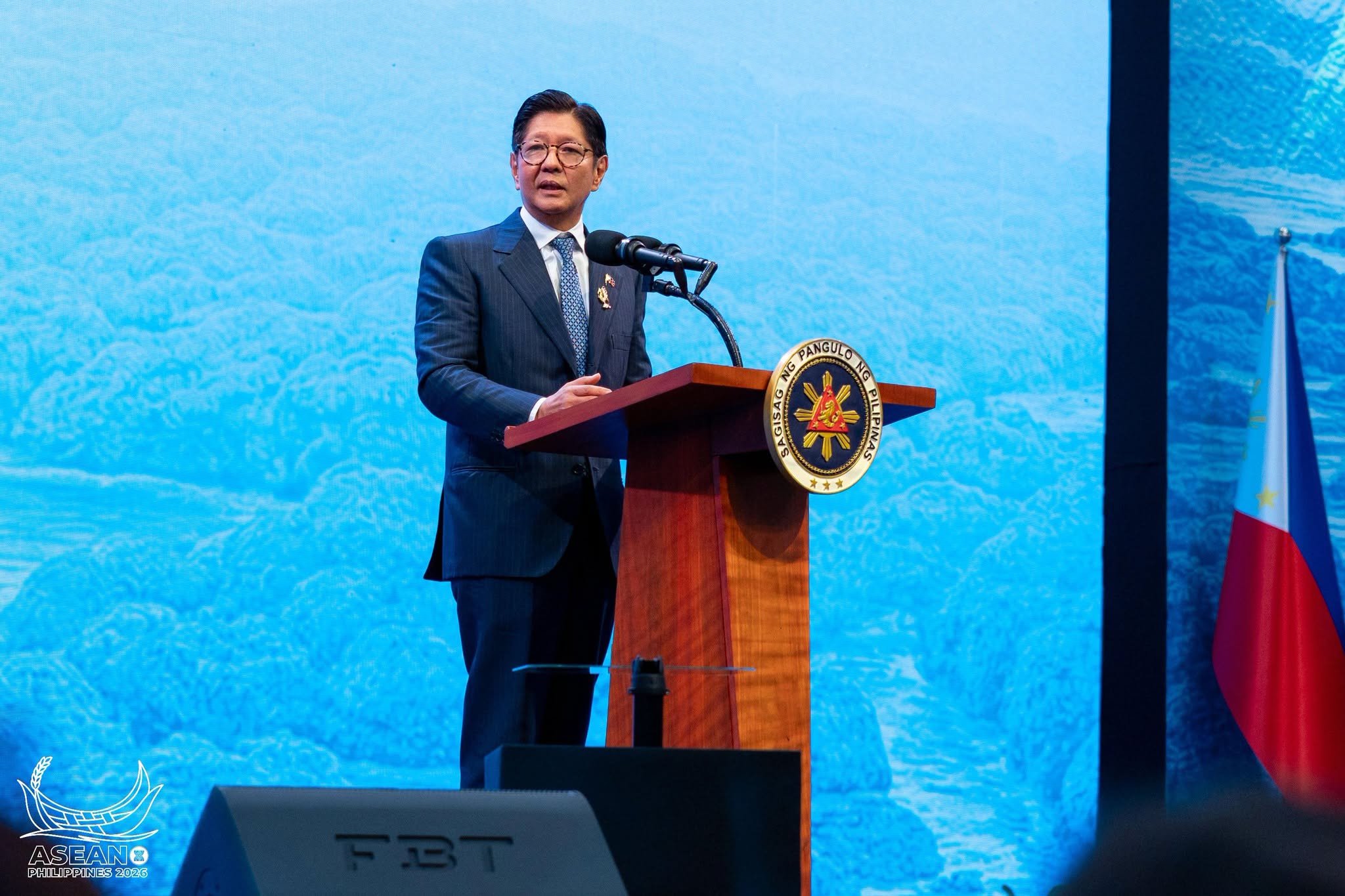
At his November 17 press conference at the conclusion of the 49th ASEAN Summit, President Marcos reported progress in advancing the ASEAN Power Grid through an enhanced memorandum of understanding supporting cross-border electricity connections.
The President explained that ASEAN countries must work together to improve power sharing, develop renewable energy and prepare for possible disruptions in global oil supplies.
The regional initiative also supports the Philippines’ efforts to strengthen its energy supply while encouraging investments in modern electricity infrastructure.
For ordinary Filipinos, closer energy cooperation could eventually mean fewer supply disruptions, more stable electricity services and better protection against sudden increases in energy costs.
As the Philippines concludes its ASEAN chairship, the challenge now is to turn these regional commitments into practical results that bring affordable and dependable energy closer to Filipino homes and businesses. | PND
24 November 2026
23 November 2026
23 November 2026
20 November 2026
20 November 2026
20 November 2026
20 November 2026
20 November 2026
20 November 2026
19 November 2026
18 November 2026
18 November 2026
18 November 2026
18 November 2026
17 November 2026
17 November 2026
17 November 2026
17 November 2026
17 November 2026
17 November 2026
23 November 2026
Filipino artists, designers, performers and other creative workers stand to gain more opportunities as President Ferdinand R. Marcos Jr. advances regional cooperation in the creative economy following the successful hosting of the 49th ASEAN Summit and Related Summits in Manila.
The President highlighted the importance of creative industries in generating jobs, supporting small businesses and strengthening economic ties among Southeast Asian nations.
During the summit’s opening ceremony on November 15, President Marcos cited the progress made by ASEAN in expanding economic cooperation and supporting local industries.
“We brought our economies closer through the ASEAN Digital Economy Framework Agreement; progress on the ASEAN Power Grid; stronger trade and supply chain links; and greater support for our MSMEs and creative industries,” the President said.
The summit also saw ASEAN leaders adopt a declaration establishing the ASEAN Center of Excellence for Creative Industries to strengthen regional cooperation and promote the creative economy.
The initiative recognizes the growing contribution of creativity, innovation and cultural industries to economic growth and sustainable development across the region.
For Filipino workers, the creative economy offers opportunities in fashion, music, film, animation, digital content, traditional crafts and other industries that turn talent into livelihood.
These opportunities were already evident during the country’s ASEAN hosting, which provided additional work for local weavers, garment makers, designers, performers and production crews.
In an earlier statement, President Marcos recognized the contributions of these workers to the international gatherings held across the country.
“Itong taon lamang na ito, dahil sa mga summit at related meetings na naganap sa buong bansa, bumuhos ang trabaho para sa ating mga local industries o MSME, mga maghahabi, mananahi, at mga designer na pinamalas ang kagandahan ng kasuotan natin, mga artista, mang-aawit, dancer, director at mga creative industry na bumubuo ng mga programa natin,” the President said.
The international exposure also allowed Filipino craftsmen and entrepreneurs to showcase locally made products to visiting leaders, delegates and potential business partners.
The ASEAN Digital Economy Framework Agreement could further expand these opportunities by making it easier for small businesses and creative entrepreneurs to reach customers across Southeast Asia through online platforms.
For young Filipinos pursuing careers in creative fields, stronger regional cooperation could open new markets for their skills, products and services.
The President earlier praised the quality of Filipino craftsmanship and the careful selection of local products presented during the ASEAN activities.
“Sila ay talagang hinahanap at metikulosong pinili para maipakita ang galing ng Pilipino,” the President said, underscoring the value of Filipino talent in promoting the country to the world. | PND
24 November 2026
23 November 2026
23 November 2026
20 November 2026
20 November 2026
20 November 2026
20 November 2026
20 November 2026
20 November 2026
19 November 2026
18 November 2026
18 November 2026
18 November 2026
18 November 2026
17 November 2026
17 November 2026
17 November 2026
17 November 2026
17 November 2026
17 November 2026
23 November 2026
A regional power grid and the first Sabah–Mindanao undersea cable are moving forward, as the Philippines spreads its sources of energy.
President Ferdinand R. Marcos Jr. said the Philippines and its ASEAN partners have made significant progress in advancing the ASEAN Power Grid, which aims to improve cross border electricity sharing and strengthen the region’s capacity to respond to energy supply disruptions.
The President reported that several countries already have agreements on energy sharing with the Philippines and Malaysia moving toward another milestone through the planned first undersea energy cable connecting Sabah and Mindanao.
“As a matter of fact, there are several countries that already have cross-border agreements on energy sharing. And I am also happy to report that the first undersea cable for sharing of energy is going to be laid between Malaysia, Sabah in particular, and Philippines in Mindanao. And this is the first undersea cable as well. So that is – the beginnings that were on land are now extending into the sea,” President Marcos said during the conclusion of the ASEAN summit.
President Marcos cited the operationalization of the enhanced Memorandum of Understanding on the ASEAN Power Grid which provides institutional, planning and regulatory foundations for advancing electricity connectivity among ASEAN member states.
“On the energy front, we advanced the ASEAN energy interconnectivity through operationalizing the enhanced Memorandum of Understanding on the ASEAN Power Grid, providing important institutional planning and regulatory foundations to advance cross-border electrical connectivity.”
“Now those of you who have been following ASEAN know that we have been discussing this for a few years now. But we have made some serious progress,” President Marcos said.
The President emphasized the importance of diversifying energy sources and strengthening electricity sharing arrangements to ensure that countries are better prepared for supply disruptions and sudden increases in global energy prices.
President Marcos noted that while efforts to strengthen energy security had been underway even before the conflict in the Middle East, developments in the region accelerated discussions on measures to protect countries against possible energy shocks.
This prompted the Philippines to advance proposals, including cooperation with Japan, on stockpiling energy resources and improving preparedness for future supply disruptions.
Energy security was also among the key areas discussed during the President’s engagements with international leaders, including United States President Donald Trump noting that the United States had opened its markets to Philippine energy and food products.
“If you’re standing on one foot, sa isa ka lang umaasa, madaling magkaproblema. Pag marami kang maasahan, kahit magkaproblema ang isa, puwede ka pang tumakbo doon sa mga iba. And that’s why the trade deal is important,” President Marcos said.
Meanwhile, the ASEAN Plus Three Leaders’ Statement on Maritime Trade and Logistics Connectivity underscored the importance of strengthening energy and food security resilience amid external shocks and supply chain disruptions.
The President also pursued closer energy cooperation with Japanese Prime Minister Sanae Takaichi agreeing to deepen collaboration on oil security, nuclear power and emergency measures to address energy-related shocks.
“The APT Summit, we adopted the ASEAN Plus Three Leaders’ Statement on Maritime Trade and Logistics Connectivity on strengthening energy and food security resilience amid external shocks and supply chain disruptions.”
“This reflects the steadfast commitment of ASEAN to keep economic corridors moving, to protect livelihoods amidst external pressures and shocks,” President Marcos added. | PND
24 November 2026
23 November 2026
23 November 2026
20 November 2026
20 November 2026
20 November 2026
20 November 2026
20 November 2026
20 November 2026
19 November 2026
18 November 2026
18 November 2026
18 November 2026
18 November 2026
17 November 2026
17 November 2026
17 November 2026
17 November 2026
17 November 2026
17 November 2026
20 November 2026
Wind power does not just bring electricity. It also brings jobs.
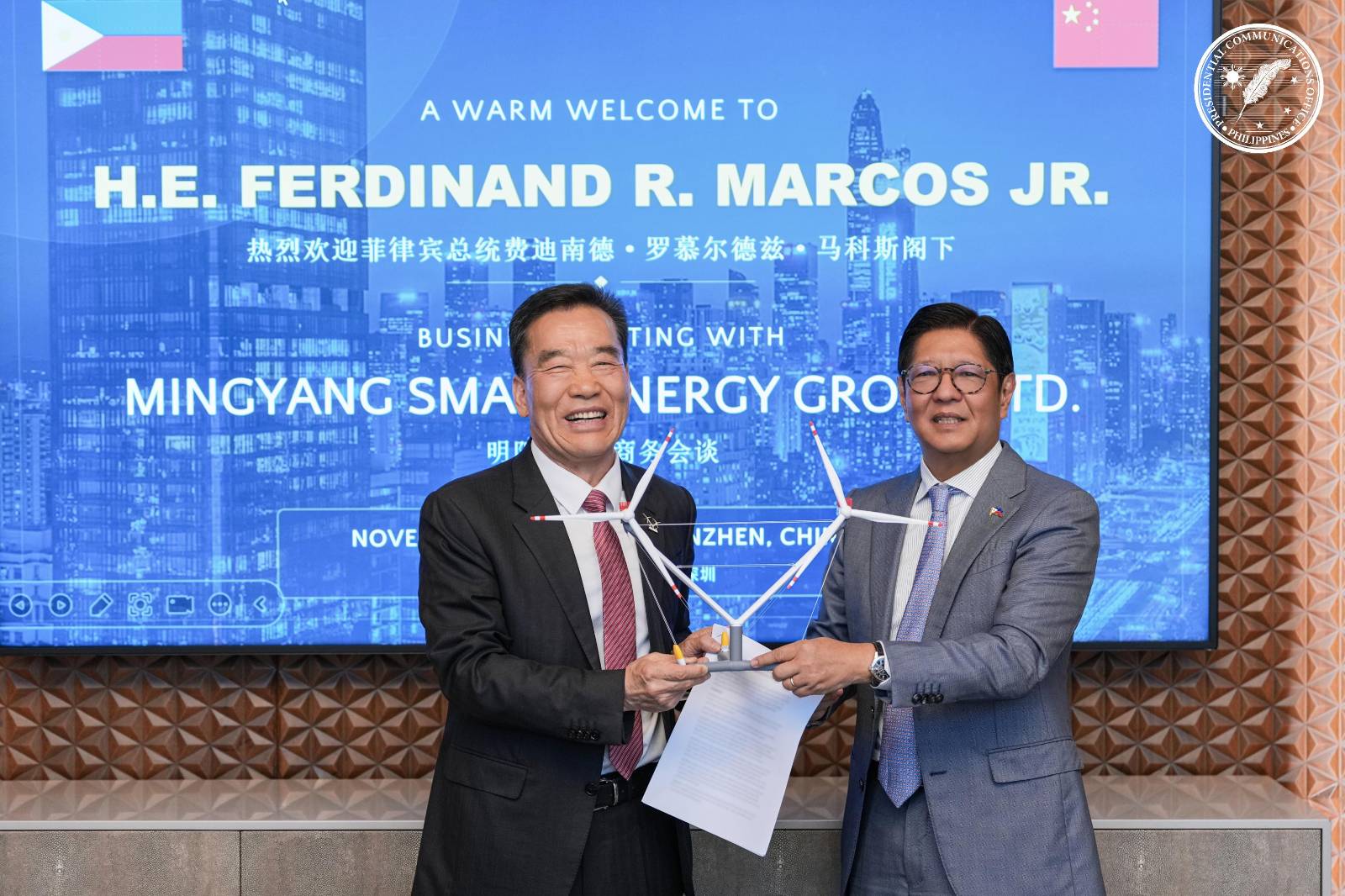
In its meeting with President Marcos on Friday, Ming Yang shared its plan to set up a center in the Philippines to service and maintain windmills, and to hire and train local workers to do the work.
Ming Yang, a Chinese company that makes giant wind turbines, or windmills that make electricity, on Friday in Shenzhen. Its windmills are built to withstand super typhoons. The two sides signed an agreement to work together on building windmills at sea.
This means more of the work behind wind power could be done by Filipinos.
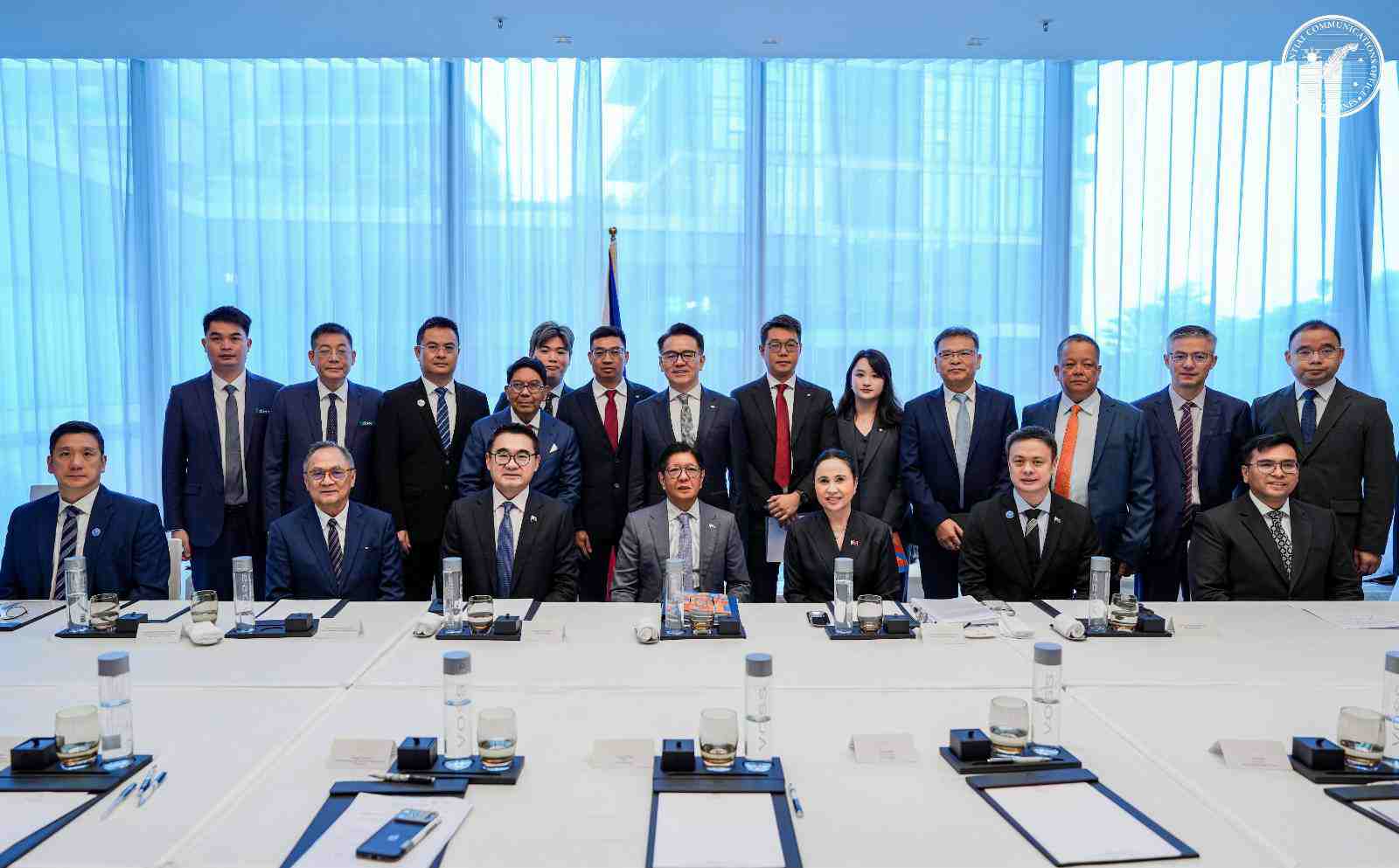
President Ferdinand R. Marcos Jr. led a Department of Trade and Industry (DTI)-organized roundtable with major Chinese electronics and building materials firms to align investment opportunities with the Philippines’ industrial and manufacturing priorities.
The roundtable featured one of China’s leading building materials manufacturers, Huaxin Building Materials Group, along with Shenzhen Grandsun Electronics, who outlined plans to expand its manufacturing operations in the Philippines for wired, Bluetooth headphones, speakers, and other audio devices.
Also in attendance was sustainable construction and raw materials manufacturer PCON International Corp., who is pursuing investments to scale up production capacity across its EcoBloc, XLIME, and EcoPipe facilities in Bulacan to bolster local housing and industrial growth.
Together, these commitments underscore growing investor confidence in the Philippines as a competitive manufacturing hub and a key partner in regional industrial development.
As the DTI-led roundtable brought Chinese firms into discussions focused on the Philippines’ industrial priorities—from audio device manufacturing to sustainable housing materials—both deals point to a common result: more production and more jobs for Filipinos, supported by stronger industry partnerships and long-term operations. | PND
24 November 2026
23 November 2026
23 November 2026
23 November 2026
20 November 2026
20 November 2026
20 November 2026
20 November 2026
20 November 2026
19 November 2026
18 November 2026
18 November 2026
18 November 2026
18 November 2026
17 November 2026
17 November 2026
17 November 2026
17 November 2026
17 November 2026
17 November 2026
20 November 2026
More Filipino products could be sold in other countries, opening new opportunities for local businesses and creating more jobs for Filipinos.
President Ferdinand R. Marcos Jr. is pursuing more free trade agreements (FTAs) with major economies to open new markets for Philippine products, boost exports and create more business and employment opportunities for Filipinos.
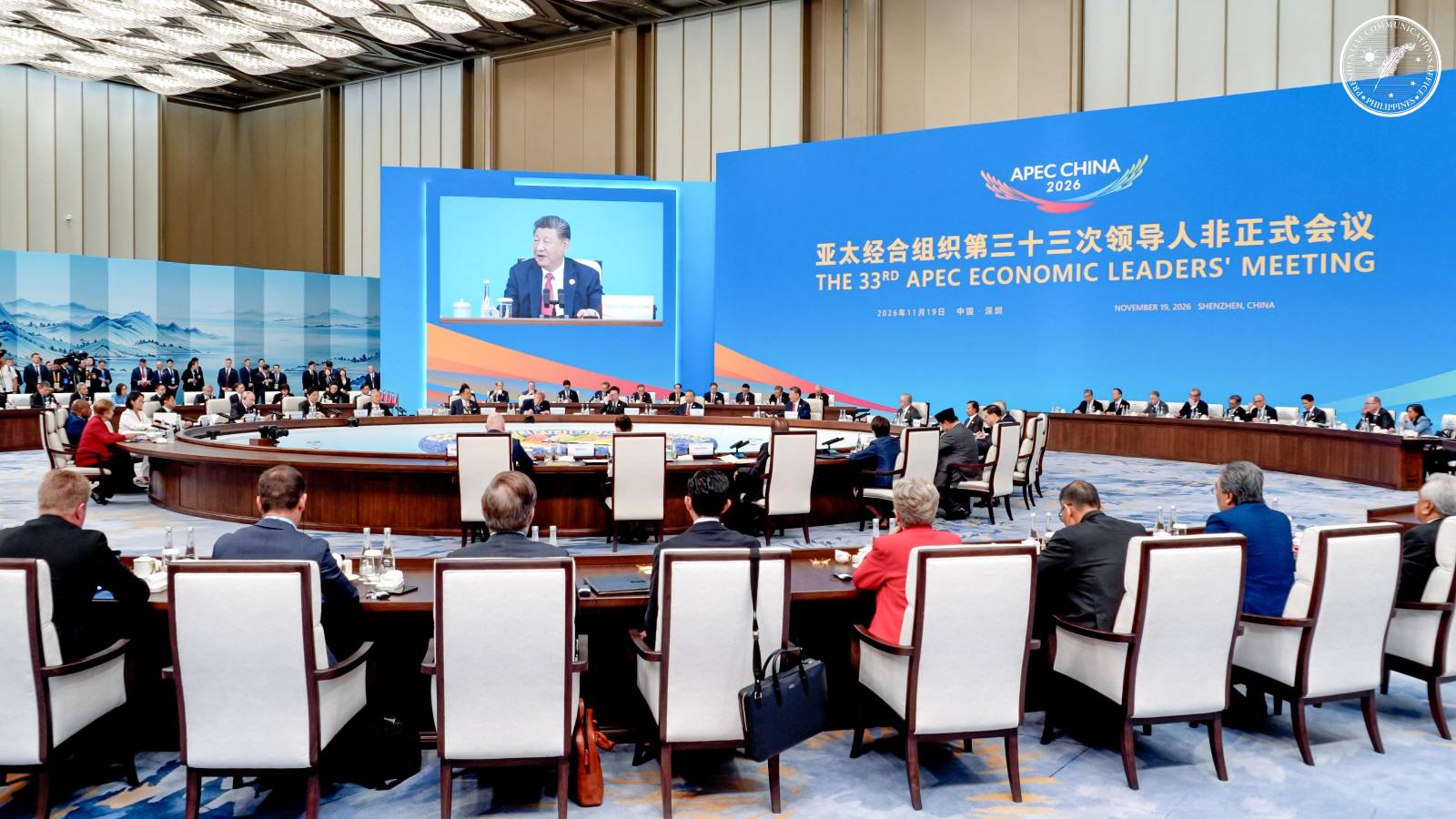
In an interview with the Presidential News Desk on Friday, Trade and Industry Secretary Cristina A. Roque said President Marcos expressed the Philippines’ interest in joining the Comprehensive and Progressive Agreement for Trans-Pacific Partnership (CPTPP) during his meeting with the Mexican President Claudia Sheinbaum on the sidelines of the 33rd Asia-Pacific Economic Cooperation (APEC) Economic Leaders’ Meeting in Shenzhen, China.
Roque said she also conveyed the country’s interest in joining the CPTPP during discussions with her Mexican counterpart.
“So this is important for us because, again, the President wants to open markets through free trade agreements with very important countries all over the world,” she said.
The CPTPP is a free trade agreement among 12 economies across the Asia-Pacific and the Americas, including Japan, Canada, Australia, Mexico and Singapore.
Joining the trade agreement could provide Philippine exporters with greater access to international markets and create opportunities for Filipino businesses to expand their overseas operations.
Roque, who was part of the official delegation accompanying President Marcos to the APEC meeting, underscored the administration’s efforts to expand the Philippines’ network of free trade agreements.
She cited the recently concluded Philippines-Canada Free Trade Agreement negotiations and the Philippines-Chile Comprehensive Economic Partnership Agreement (CEPA), signed on the sidelines of the APEC summit, as among the latest developments in the country’s trade expansion efforts.
The agreement with Canada is expected to provide Filipino exporters with greater access to the Canadian market, while the CEPA with Chile could help strengthen the Philippines’ trade presence in Latin America.
Roque said the government is also pursuing the conclusion of trade negotiations with Japan and the European Union to further expand market access for Philippine goods and services.
“So there’s really a lot of potential, especially with these free trade agreements that President Marcos is really pushing to negotiate and conclude,” she said.
The Trade official said President Marcos could make history as the Philippine president to secure the most free trade agreements, with the administration pursuing expanded trade opportunities with 23 major economies worldwide.
She, meanwhile, noted the country’s improving export performance, saying that Philippine exports grew by 15.4 percent in 2025 and continued to post monthly increases from January to September 2026.
She said exports registered a 35.6-percent increase in September, which she described as the highest growth recorded in 35 years.
Roque also expressed optimism that securing more free trade agreements would further strengthen Philippine exports by opening additional markets for locally produced goods.
The President’s participation in the APEC meeting provided an opportunity to advance these trade initiatives through discussions with fellow leaders and economic partners, as the administration works to attract investments and strengthen the Philippines’ position in international trade. | PND
24 November 2026
23 November 2026
23 November 2026
23 November 2026
20 November 2026
20 November 2026
20 November 2026
20 November 2026
20 November 2026
19 November 2026
18 November 2026
18 November 2026
18 November 2026
18 November 2026
17 November 2026
17 November 2026
17 November 2026
17 November 2026
17 November 2026
17 November 2026
20 November 2026
A new manufacturing facility is planned in Alitagtag, Batangas, bringing potential employment opportunities for local residents and additional economic activity to the province.
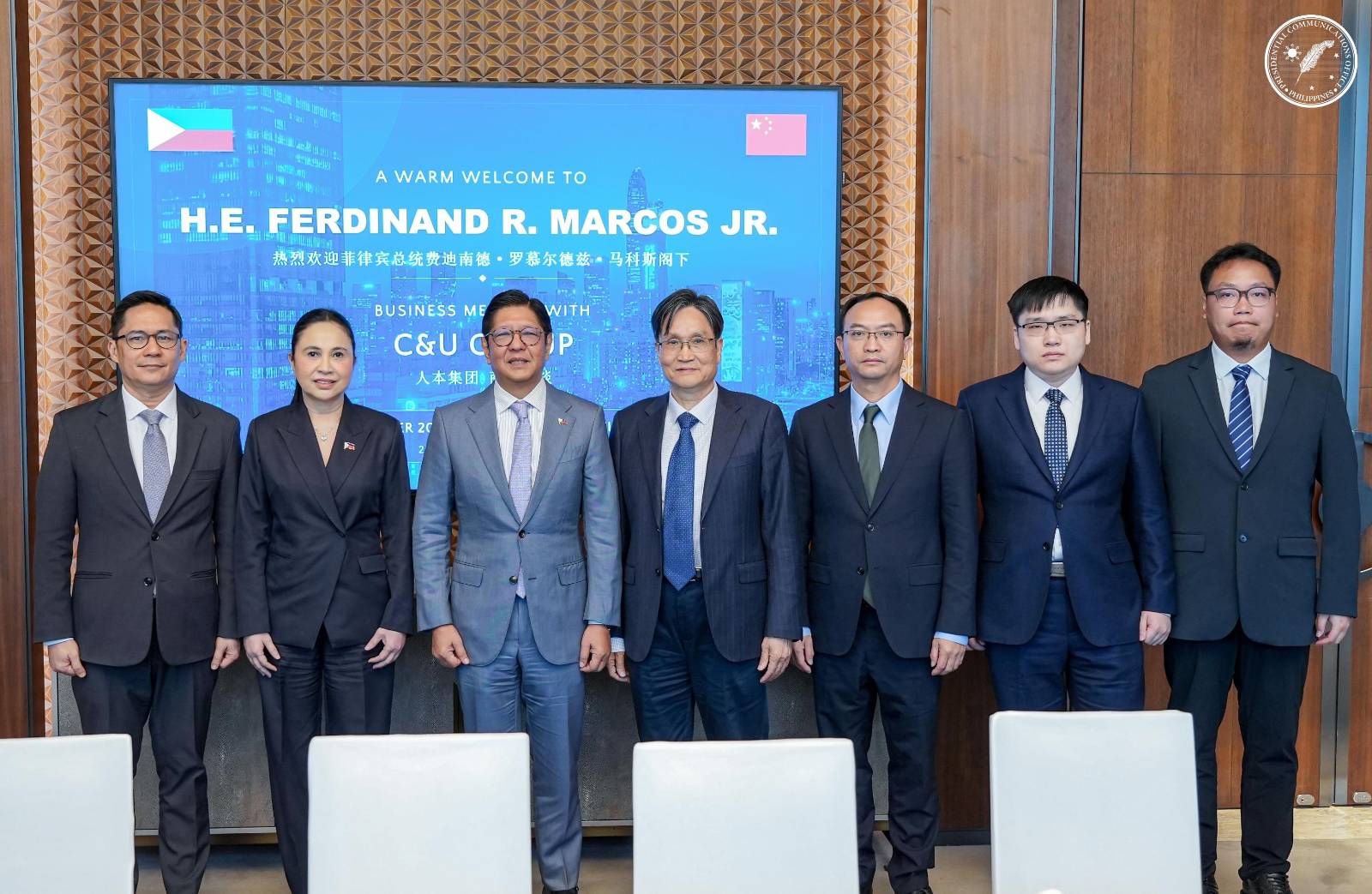
President Ferdinand R. Marcos Jr. met with executives of Chinese manufacturing company C&U Group on Friday in Shenzhen, China, on the sidelines of the 33rd Asia-Pacific Economic Cooperation (APEC) Economic Leaders’ Meeting.
“With the C&U Group, we advanced discussions on the establishment of a fully integrated production base for bearings and bearing components in Alitagtag, Batangas,” President Marcos said in his arrival statement following his successful visit to China.
“This facility is envisioned to become their largest production base outside of China,” the President added.
C&U Group, a manufacturer of bearings used in automobiles, industrial machinery and other mechanical equipment, has committed an initial investment of US$87 million for the first phase of the project, covering approximately 20 hectares of land.
Bearings are essential components that reduce friction and allow moving parts to operate smoothly in vehicles, industrial equipment and various types of machinery.
The proposed facility could create jobs for Filipino workers in manufacturing, machine operations, equipment maintenance, quality control and other technical fields.
The investment could also benefit local businesses, including suppliers, transportation providers and logistics companies, by creating demand for materials, equipment and services needed to support the factory’s operations.
Aside from employment, the project could strengthen Batangas’ manufacturing sector and provide opportunities for Filipino workers to acquire technical skills and participate in industrial supply chains.
The meeting with C&U Group was among President Marcos’ engagements with business leaders in Shenzhen as he sought to attract more foreign investments, expand manufacturing activities and generate additional economic opportunities in the Philippines. | PND
24 November 2026
23 November 2026
23 November 2026
23 November 2026
20 November 2026
20 November 2026
20 November 2026
20 November 2026
20 November 2026
19 November 2026
18 November 2026
18 November 2026
18 November 2026
18 November 2026
17 November 2026
17 November 2026
17 November 2026
17 November 2026
17 November 2026
17 November 2026
20 November 2026
Stronger trade and investment ties between the Philippines and Peru could open new markets for Filipino products, attract more investment, and create additional business and employment opportunities for Filipinos.
President Ferdinand R. Marcos Jr. on Thursday met with Peruvian President Keiko Fujimori to discuss expanding trade and investment relations, including the proposed establishment of a joint trade commission that could pave the way for a free trade agreement (FTA) between the two countries.
During the meeting, President Marcos emphasized the importance of strengthening the Philippines’ economic engagement with Latin America and diversifying trade partnerships beyond traditional markets.
The President also highlighted the historical and cultural connections between the Philippines and Latin America, stressing that geographical distance should not hinder closer relations.
President Marcos also congratulated President Fujimori on her election.
For her part, President Fujimori expressed interest in exchanging trade and business delegations next year to explore potential investment opportunities in both countries.
Aside from economic cooperation, the two leaders also discussed strengthening collaboration on climate change, environmental protection, sustainable development, and disaster risk reduction and management.
The discussions focused on addressing the effects of El Niño and La Niña, particularly as both countries prepare for the potential impact of a looming Super El Niño phenomenon.
In an interview following the bilateral meeting, Foreign Affairs Secretary Ma. Theresa Lazaro said Peru had proposed a free trade agreement with the Philippines as part of efforts to deepen economic cooperation.
Lazaro said the proposal underscored the importance of expanding the Philippines’ trade partnerships to create more opportunities for economic growth.
“And kung matutuloy at magkaroon ulit ng free trade agreement with Peru, siguro 25 na ang mga FTAs natin,” Lazaro said.
She emphasized that free trade agreements could help strengthen the Philippine economy by opening new markets, expanding trade and encouraging greater economic cooperation with other countries.
The Philippines and Peru established diplomatic relations on November 30, 1974, providing a foundation for closer cooperation in trade, investment and other areas of mutual interest.
The bilateral meeting between President Marcos and President Fujimori was held on the sidelines of the 33rd Asia-Pacific Economic Cooperation (APEC) Economic Leaders’ Meeting in Shenzhen, China. | PND
24 November 2026
23 November 2026
23 November 2026
23 November 2026
20 November 2026
20 November 2026
20 November 2026
20 November 2026
20 November 2026
19 November 2026
18 November 2026
18 November 2026
18 November 2026
18 November 2026
17 November 2026
17 November 2026
17 November 2026
17 November 2026
17 November 2026
17 November 2026
20 November 2026
Filipino professionals are poised to benefit from expanded employment opportunities after 21 Asia-Pacific countries recognized Mutual Recognition Agreements (MRAs) following APEC 2026 in China.
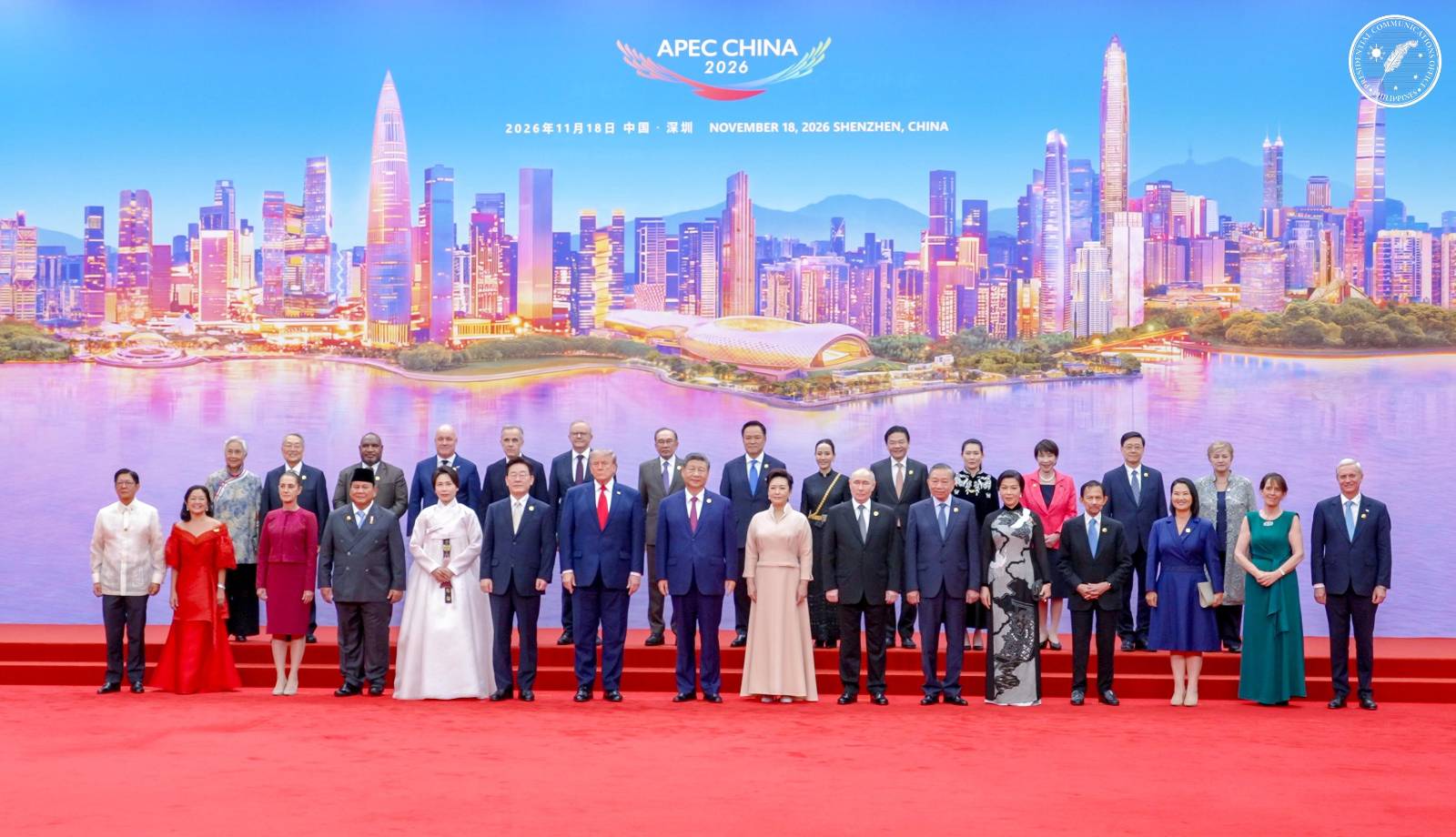
President Ferdinand R. Marcos Jr. noted the MRA in his remarks during APEC 2026, being held from November 18 to 20 in Shenzhen, China, and attended by leaders from APEC member economies.
“We call for greater mutual recognition of qualifications, so that skills and talent can move across our region as freely as goods and services,” President Marcos said.
In an interview with the Presidential News Desk, Department of Foreign Affairs (DFA) Secretary Ma. Theresa Lazaro said that the MRA aligns with APEC 2026’s three core priority areas—Openness for the multilateral trading system; Innovation to rapid technological change, particularly in artificial intelligence; and Cooperation for deeper coordination and capacity building in fiscal policy, food security, energy, SMEs, transportation, tourism, human resources, and public health to ensure that “no member or community is left behind.”
“Under MRA, the education of the Filipino will be accredited/recognnized by APEC member states,” Lazaro noted.
The DFA chief explained that before the MRA issue was discussed by APEC member states, Filipino professionals who intends to work abroad needs to pursue further education by the host country, as required by their respective national laws. As such, this additional requirements delays their ability to practice their respective profession, seek gainful employment, and support their families.
As of December 31, 2025, the Professional Regulatory Commission reported that a total of 5,851,893 professionals across various fields are registered with the Commission.
The MRA, which would ease the process of recognizing professional qualifications across participating economies, is among the significant gains from APEC 2026 for ordinary Filipinos. It is expected to open up broader opportunities for Filipino workers and professionals in 21 APEC countries.
With this development, more Filipino professionals may be able to pursue employment sooner, rather than spending additional years in education in host countries, translating into earlier career progression and the chance to support their families with a more stable income.
The MRA also reflects APEC’s focus on strengthening openness, innovation, and cooperation—objectives that aim to make regional labor and talent flows more efficient.
For the Philippines, it underscores the country’s continued push to enable Filipinos to compete and contribute in the Asia-Pacific marketplace. | PND
24 November 2026
23 November 2026
23 November 2026
23 November 2026
20 November 2026
20 November 2026
20 November 2026
20 November 2026
20 November 2026
19 November 2026
18 November 2026
18 November 2026
18 November 2026
18 November 2026
17 November 2026
17 November 2026
17 November 2026
17 November 2026
17 November 2026
17 November 2026
20 November 2026
Closer ties between the Philippines and Papua New Guinea could bring more business and investment opportunities and create more jobs for Filipinos.
President Ferdinand R. Marcos Jr. on Thursday met with Papua New Guinea Prime Minister James Marape to discuss expanding bilateral cooperation in agriculture, fisheries, energy and tourism, including potential investments by Filipino companies.
The two leaders also discussed opportunities for Philippine investments in fisheries and port infrastructure, which could help strengthen food security, improve connectivity, and expand economic activities in both countries.
In an interview following the bilateral meeting, Foreign Affairs Secretary Ma. Theresa Lazaro highlighted the longstanding relations between the Philippines and Papua New Guinea, which has been an observer in the Association of Southeast Asian Nations (ASEAN) for several decades.
Lazaro also underscored Papua New Guinea’s importance to the Philippines, noting that it is home to approximately 38,000 Filipinos and plays a significant role in the region’s fisheries industry, particularly in tuna production and processing.
The bilateral meeting between President Marcos and Prime Minister Marape took place on the sidelines of the 33rd Asia-Pacific Economic Cooperation (APEC) Economic Leaders’ Meeting in Shenzhen, China. | PND
24 November 2026
23 November 2026
23 November 2026
23 November 2026
20 November 2026
20 November 2026
20 November 2026
20 November 2026
20 November 2026
19 November 2026
18 November 2026
18 November 2026
18 November 2026
18 November 2026
17 November 2026
17 November 2026
17 November 2026
17 November 2026
17 November 2026
17 November 2026
 PBBM
 PCO
 RTVM
 BOC
 DENR
 DEPED
 DFA
 DICT
 DOA
 DOT
 DOH
 DOTR
 DTI
 IBC13
 PTV4
 RP1
 CONGRESS
 SENATE
 JUDICIARY