24 August 2026
President Ferdinand Marcos Jr. has directed government agencies to sustain a whole-of-government effort to help disaster-hit Jose Abad Santos in Davao Occidental recover and rebuild, Cabinet Secretary Benhur Abalos said.
Abalos said the Marcos administration is moving beyond immediate relief efforts toward long-term recovery, focusing on jobs, livelihoods, housing, and agriculture to help affected families restore their homes and sources of income. The CabSec visited Jose Abad Santos over the weekend.
“Nandito po kami ngayon, ang ating Pangulo ay mahal na mahal kayo…sabi nya ayusin mo ang iba’t ibang departamento para maipakita natin ang pagmamahal ng gobyerno…Ito po ay whole-of-government, ibig sabihin, lahat ng sangay ng gobyerno ay nandito ngayon para tumulong sa inyo. Hindi lang po ngayon, aalalayan kayo hanggang makabangon tayo,” Abalos said, citing President Marcos’ directive to bring together government agencies and ensure sustained support for residents of Jose Abad Santos.
Abalos made his second visit to the town on Friday, following his initial visit in July with Public Works Secretary Vince Dizon, Social Welfare Secretary Rex Gatchalian and Education Secretary Sonny Angara to address the community’s immediate needs.
Fourteen government agencies joined Abalos during the latest visit, delivering assistance ranging from temporary shelters and cash-for-work to farm inputs, livelihood training, temporary classrooms, medical services and internet connectivity.
The Department of Human Settlements and Urban Development committed 100 modular shelter units, while the National Housing Authority provided cash assistance to families whose homes were totally damaged.
The Department of Labor and Employment provided TUPAD cash-for-work opportunities to residents with damaged homes. The Technical Education and Skills Development Authority offered livelihood training for farmers and fisherfolk, while the Department of Trade and Industry will assist in packaging and marketing products developed through the training.
The Department of Agriculture provided animals, seeds and seedlings to help affected farmers resume production. The Philippine Coconut Authority also distributed food and non-food assistance to 1,200 coconut farmers.
The Department of Social Welfare and Development provided additional cash assistance to earthquake-affected families, on top of aid previously extended through its Emergency Cash Transfer and UPLIFT programs.
The Department of Environment and Natural Resources committed timber that could be used to rebuild homes, while the Mines and Geosciences Bureau assessed possible relocation sites.
The Department of Education provided Learning Continuity Spaces to serve as temporary classrooms, while the Department of Health continued medical and sanitation support in tent cities.
The Department of Public Works and Highways continued clearing rivers and roads, while the Department of Information and Communications Technology provided Starlink connectivity to selected affected communities.
Abalos said the government’s interventions are designed to address families’ basic needs while helping them regain stable sources of income and return to normal life.
“’Yung simple, ano makakain mo sa araw-araw? Ano’ng titirahan mo? Ano ’yung livelihood mo? Ano’ng trabaho mo?” he said.
Abalos said the government will also assess the long-term recovery needs of other affected areas, including Glan and Malapatan.
“This will now be for sustainability, for job, for work. Of course, for housing, for agriculture. Kung ano mang opportunities, kung ano mang mayroon na programa ang gobyerno, ibababa po natin ’yan,” Abalos said.
Jose Abad Santos Mayor Jason John Joyce thanked President Marcos and the Office of the Cabinet Secretary for sustaining government assistance to the town.
“Nagpapasalamat tayo kay PBBM, sa pamamagitan ng Office of the Cabinet Secretary led by Cabinet Secretary Benhur Abalos, sa patuloy na paghanap ng paraan na matulungan na makabangon ang JAS,” Joyce said. | PND

20 August 2026

19 August 2026

24 August 2026
President Ferdinand R. Marcos Jr. on Monday visited an evacuation center in Bacolor, Pampanga, to check on the condition of flood-affected families and oversee the government’s continuing relief and assistance efforts.
President Marcos visited the Bacolor Integrated School Evacuation Center in Barangay Cabambangan, where he interacted with evacuees and observed the distribution of PhP10,000 cash assistance to heads of affected families under the Department of Social Welfare and Development’s (DSWD) Assistance to Individuals in Crisis Situation (AICS) program.
The President was accompanied by DSWD Secretary Rex Gatchalian, Pampanga Vice Governor Dennis Pineda, Bacolor Mayor Eduardo Datu, and other national and local government officials.
Upon arrival, President Marcos visited the classrooms serving as evacuation areas and spoke with evacuees before proceeding to the covered court, where the distribution of cash assistance was underway.
The DSWD’s AICS program provides financial, material, and psychosocial assistance to individuals and families experiencing crisis or unexpected life events.
As of August 23, around 216 families, or 836 individuals, were staying at the evacuation center, where they had been accommodated for 16 consecutive days.
Before the President’s arrival, the DSWD had distributed family food packs and served hot meals to evacuees through its Mobile Kitchen.
There are currently 11 active evacuation centers in Bacolor serving 559 families or 2,221 individuals.
In Pampanga, the DSWD reported that a total of 315,807 families, or 1.01 million individuals, were affected by the enhanced Southwest Monsoon and tropical cyclones Luis, Maymay, and Neneng. Of these, 3,118 families or 11,308 individuals remained in evacuation centers.
Authorities said flooding was reported in the cities and municipalities of Candaba, Santa Ana, Macabebe, San Simon, Apalit, Guagua, Lubao, Mexico, San Luis, Minalin, Bacolor, Arayat, San Fernando, Magalang, Masantol, Porac, Santo Tomas, and Sasmuan.
Reports also showed that 10 roads, government facilities, and flood-control structures sustained damage. Four houses were totally damaged and 47 were partially damaged.
Authorities also noted that agricultural losses and damage were estimated at PhP423.84 million, affecting 8,742 farmers and fisherfolk. A state of calamity was declared throughout Pampanga on August 12, 2026.
The DSWD has provided PhP243.37 million worth of assistance to affected families. It also made available PhP2.63 million in standby funds and 127,947 family food packs at its Regional Field Office III.
Additional family food packs are available at DSWD Disaster Resource Centers and other field offices and may be deployed to augment relief assistance for affected families in Central Luzon.
For flood mitigation, the Department of Public Works and Highways (DPWH) has undertaken maintenance and declogging activities along drainage systems and waterways in Pampanga.
The DPWH has also proposed several long-term interventions to address perennial flooding in the province, including dredging works; Phase 2 of the Pampanga Delta Development Project; construction of the Central Luzon Pampanga River Floodway and Rio Chico Control Structure; construction of the Manila Bay Coastal Defense Dike Project, which will span Metro Manila, Bulacan, Pampanga, and Bataan; and construction of revetments, culverts, detention basins, and dams. | PND
20 August 2026
19 August 2026
23 August 2026
President Ferdinand R. Marcos Jr. spent the week of August 17–21, 2026, responding to the needs of citizens affected by floods caused by heavy rains while advancing key government programs on education, social assistance, public health, food security, infrastructure, national security, environmental protection, and good governance.
On August 17, Monday, President Marcos traveled to Negros Oriental and reaffirmed the government’s support for communities through continued social assistance under his administration’s “Bawat Bayan Makikinabang” program, funded through the Local Government Support Fund (LGSF).
The Palace also addressed concerns over fake news during the enhanced Southwest Monsoon or Habagat, stressing the need to prevent false information from misleading Filipinos.
Malacañang on Monday urged the public to report any abuse or irregularity in the selection of beneficiaries of the President’s flagship educational assistance initiative, the Presidential Scholarship Program.
President Marcos also issued Proclamation No. 1395, declaring September 14, 2026, a special non-working day in the Bangsamoro Autonomous Region in Muslim Mindanao (BARMM) to allow residents to participate in the region’s first regular parliamentary elections.
The government also announced an additional PhP9.753 billion for the Commission on Higher Education (CHED) under the Free Higher Education (FHE) Program, benefiting 108 state universities and colleges (SUCs) nationwide.
Alternative work arrangements were also ordered for government offices upon the recommendation of the National Disaster Risk Reduction and Management Council (NDRRMC), amid heavy rainfall warnings and inclement weather.
On August 18, the government stepped up its response to heavy rains and flooding. President Marcos directed government agencies to adopt a more coordinated approach to flood control and strengthen efforts to address flooding.
The Philippine Coast Guard (PCG) continued rescue and monitoring operations, while the Department of Transportation (DOTr) deployed buses along EDSA to provide free rides to affected commuters.
The Department of Social Welfare and Development (DSWD) assured the public of sufficient food supplies and intensified monitoring of aid distribution. The government also provided PhP717.4 million in assistance to families affected by weather disturbances.
Meanwhile, the National Irrigation Administration (NIA) reported that the heavy rains had replenished dams and helped support irrigation requirements.
President Marcos also expressed sympathy to the families of those who died in the shooting at Ateneo de Zamboanga University (AdZU) and ordered law enforcement agencies to conduct a thorough investigation and strengthen security and safety measures in schools.
Other government efforts included the seizure of an estimated PhP3 billion worth of smuggled cigarettes by the Bureau of Customs (BOC) and the National Bureau of Investigation (NBI), as part of the administration’s campaign against illegal trade.
The operations were carried out under President Marcos’ directive, with both agencies vowing to further intensify their anti-smuggling efforts.
The President also directed the Department of Agriculture (DA) to establish cold storage facilities in the Cordillera Administrative Region (CAR) to reduce crop and vegetable waste, particularly during the rainy season.
The DA is also planning to establish a vegetable processing facility under its 2027 budget, while expanding the Kadiwa Network and assisting farmers in transporting their produce to markets in Pampanga, Manila, and Cavite.
On August 19, President Marcos continued directing government agencies to respond to the effects of the rains and flooding.
The Department of Budget and Management (DBM) released PhP1.855 billion in additional funding for the Philippine General Hospital (PGH), including support for the Zero Balance Billing (ZBB) program.
The Department of Environment and Natural Resources (DENR) intensified the clearing of rivers and esteros. President Marcos also ordered 24/7 monitoring of two major dams and directed the Department of Public Works and Highways (DPWH) and the Quezon City Government to accelerate flood-control efforts.
The Department of Health (DOH), led by Secretary Edwin Mercado, monitored the possible rise in leptospirosis cases and assured the public of sufficient medicine supplies in affected areas.
The Palace also said funding was available to strengthen school security and awaited the Department of Education (DepEd) proposal on the resumption of in-person classes.
On the same day, President Marcos designated Tourism Secretary Dita Angara-Mathay as Vice Chairperson for Operations of the ASEAN National Organizing Council (NOC) for the Philippines’ hosting of the 2026 ASEAN Summit.
The President also directed government agencies to support the 2026 Philippine Creative Industries Month.
On August 20, President Marcos inspected the Tripa de Gallina Pumping Station in Pasay City, the largest pumping station operated by the Metropolitan Manila Development Authority (MMDA).
The President announced plans to install and upgrade 13 pumping stations in Metro Manila and ordered a study on the use of rainwater cisterns as an additional flood-control measure.
President Marcos also said the government was working on waste-to-energy programs that could be implemented by 2027 to help address the country’s garbage and flooding problems.
The Palace reaffirmed that the investigation into alleged irregularities in flood-control projects remains ongoing. It also reminded companies to comply with the Extended Producer Responsibility (EPR) Act of 2022 and assured the public that funds are available for the planned construction of evacuation centers.
On the same day, President Marcos called on Filipinos, in his Ninoy Aquino Day message, to respect the rights of others, protect freedom, strengthen institutions, and work together for national progress.
On August 21, Friday, the government continued its response to the effects of the Southwest Monsoon or Habagat while sustaining programs on public safety, health, food assistance, infrastructure, and government services.
Efforts remained focused on protecting communities from flooding, ensuring that assistance reached affected families, and advancing longer-term solutions to recurring weather-related challenges.
From August 17 to 21, President Marcos combined immediate disaster response with longer-term government programs as the administration focused on protecting communities, delivering assistance, improving flood-control systems, strengthening health and education services, addressing waste and environmental concerns, supporting food security and farmers, and ensuring accountability in the use of public funds. | PND
20 August 2026
19 August 2026

20 August 2026
President Ferdinand R. Marcos Jr. is committed to ensuring that funds for the construction of evacuation centers under the 2027 national budget are used properly and efficiently, a Palace official said Thursday.
In a Palace press briefing, Presidential Communications Office (PCO) Undersecretary and Palace Press Officer Claire Castro allayed fears of possible abuses in spending the 2027 allocation for the construction of evacuation centers.
“Marami tayong paraan para makita natin kung may mga proyektong napondohan pero hindi nagawa dahil iyan naman ang gusto ng ating Pangulo,” Castro said when asked about the issue.
“Hindi na nanaisin ng Pangulo na magkaroon ng mga ghost projects na nangyari sa mga nakaraang administrasyon at sa administrasyong kasalukuyan,” the Palace Press Officer added.
According to a statement from the Department of Budget and Management (DBM), the National Disaster Risk Reduction and Management Council (NDRRMC), in coordination with the local government units (LGUs) and relevant agencies, is specifically mandated under Republic Act No. 12076 or the Ligtas Pinoy Centers Act, to identify and prioritize the sites.
The Department of Public Works and Highways (DPWH) serves as the implementing agency in building the temporary shelters.
The sites must be selected based on technical considerations including disaster risk topography, available land and the actual needs of communities, Castro said, noting the specific locations are determined to the process prescribed by law rather than by DBM or DPWH discretion.
“The site identification process is already underway. On 10 August 2026, DPWH formally requested from the Office of the Civil Defense the prioritized list of sites to ensure the projects are properly identified and ready for implementation,” said Castro, citing the DBM statement.
“In short, the purpose, number, cost, and implementing framework are already defined. The specific sites are being finalized to the legally mandated prioritization process,” the DBM statement read.
For fiscal year 2027, the proposal allocation covers two Ligtas Pinoy Centers (LPC) for every region at PhP90 million for each center, based on the LPC five-year implementation plan inclusive of the site development and adjustments for unique site conditions. | PND
20 August 2026
19 August 2026
20 August 2026
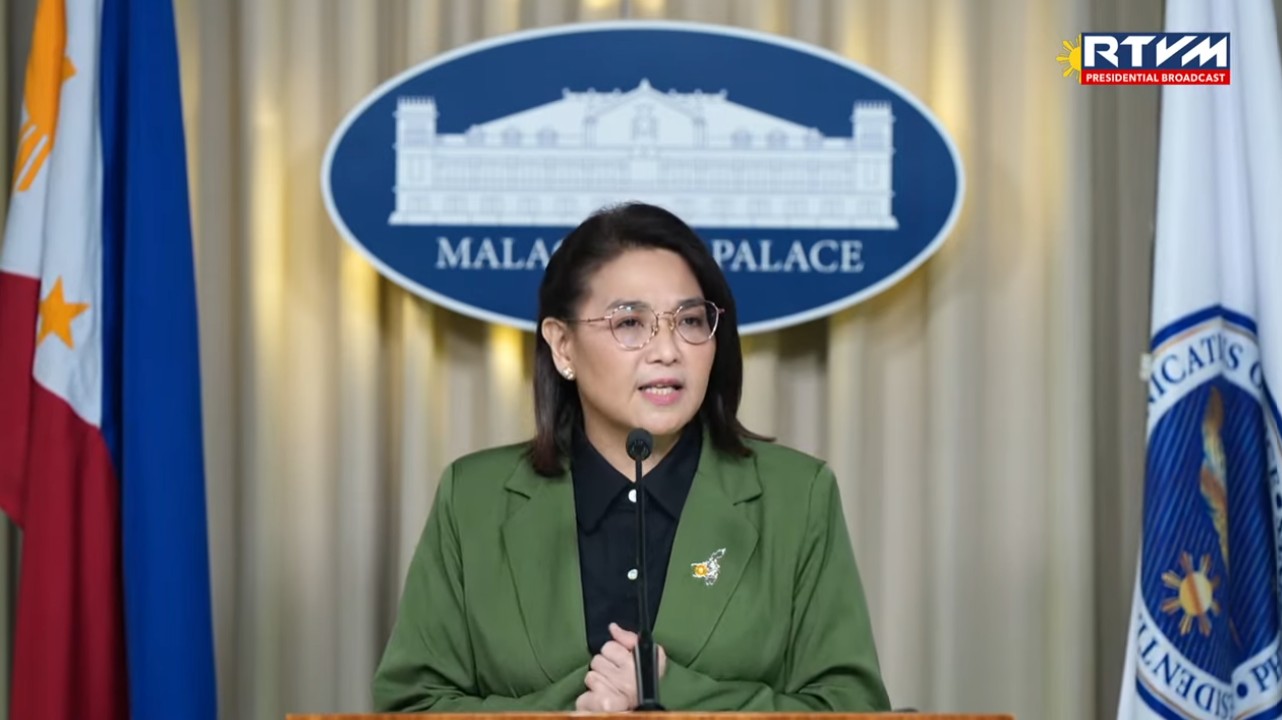
Expressing strong commitment to curb plastic pollution, the Marcos administration is stepping up efforts by enforcing plastic recovery obligations of large companies, including issuing show-cause letters to firms that may be failing to comply with the Extended Producer Responsibility (EPR) Act, a Palace official said Thursday.
During a visit to a Pasay City pumping station Thursday morning, President Ferdinand R. Marcos Jr. cited the garbage problem as a contributor to clogging at pumping stations.
In a Palace press briefing, Presidential Communications Office (PCO) Undersecretary and Palace Press Officer Claire Castro read a statement from the Department of Environment and Natural Resources (DENR) saying, “Aktibong binabantayan ng DENR ang pagsunod ng mga kumpanya sa EPR Law sa pamamagitan ng pag-audit sa kanilang recovery rates upang matiyak ang compliance.”
“Ang ahensiya ay nag-issue ng 155 show cause letters sa mga potential obliged enterprises na hindi tumutupad sa kanilang EPR obligations,” Castro added, noting the EPR Act serves as a carrot-and-stick mechanism to producers for the recovery and recycling of their plastic packaging wastes.
The EPR Act, or Republic Act No. 11898, requires large enterprises in the Philippines to recover and divert a growing percentage of their plastic packaging waste.
The law amended the Ecological Solid Waste Management Act of 2000.
Enacted to curb plastic pollution, it mandates audited annual recovery targets managed through individual programs or collective organizations.
Records show companies comply with and even surpass set targets, said Castro, citing a 2024 record showing audited recovery rates reached 59.98 percent for rigid plastics and 56.33 percent for flexible plastics, which is high relative to the legal target of 40 percent.
“So, kung ang kumpanya ay tumutupad sa kanilang mga alituntunin at kanilang obligasyon, makikiusap tayo sa ating mga kababayan, mga residente, na tumulong tayo,” she said, appealing to the public.
For 2024, the target is 40 percent; 60 percent for 2026; and 80 percent for 2028, Castro said, warning that non-compliant entities will be penalized.
“Sa mga kumpanyang hindi makaka-recover ng kanilang plastic waste, footprint o hindi makakasunod sa mga requirement ng batas ay nahaharap sa mga multi-million-peso na multa,” she added. | PND
20 August 2026
19 August 2026
20 August 2026
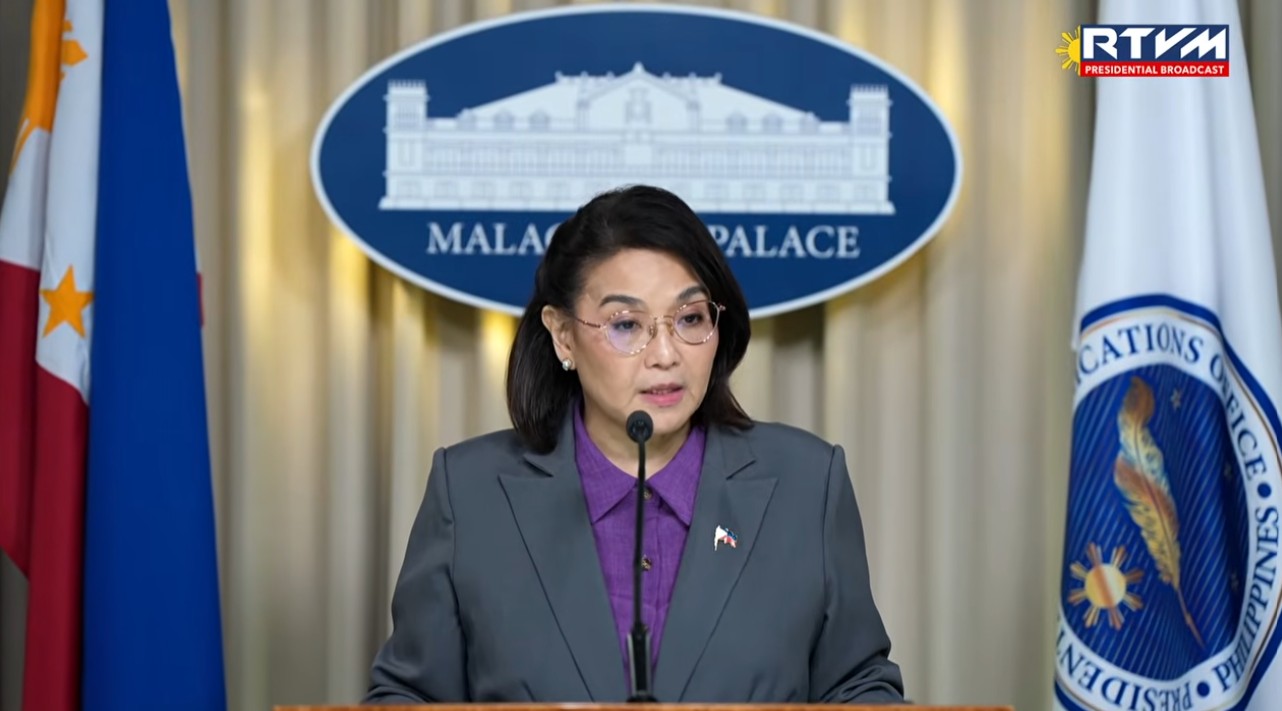
President Ferdinand R. Marcos Jr. on Thursday said 13 additional pumping stations are scheduled for installation and upgrading and are expected to be operational by the end of the year or early 2027.
“Because of climate change, because of the increase in volume of rainfall that has been coming to the Philippines and will come in the future, we are installing additional pumping stations,” President Marcos said shortly after conducting an inspection of the biggest pumping station, the Tripa de Gallina Pumping Station, located in Barangay 190, Bac 1-11, Pasay City.
“And those pumping stations are in and around Manila. I think, altogether, we will have 13 additional pumping stations which we should have in place by the end of this year or the beginning of next year. Most of them should be in place already,” the President added.
“Kaya’t ‘yun ang kailangan nating ayusin talaga. Kahit na maganda ang ating pumping station, kahit na malakas ang ating mga bomba, kapag nandiyan pa rin, pumapasok pa rin ‘yung basura, siyempre ang efficiency niyan bababa, hindi na masyadong maganda ang takbo. Kaya’t ‘yan ang kailangan natin ayusin ngayon,” the Chief Executive said.
MMDA Chairman Romando Artes said that of the 13 pumping stations mentioned by President Marcos, four are new, while the rest will be upgraded.
At the inspection, President Marcos was assisted by Artes, MMDA General Manager Nicolas Torre III, and Pasay City Mayor Imelda Calixto-Rubiano.
Upon arrival, President Marcos was briefed by Artes on the overall clearing and waste management operations at the Tripa de Gallina Pumping Station, the largest of the 73 pumping stations operated by the MMDA in Metro Manila.
Artes said the MMDA-operated Tripa de Gallina Pumping Station has a pumping capacity of 56 cubic meters per second.
Data showed that garbage had previously overwhelmed the station, contributing to flooding in low-lying areas, including Parañaque City.
President Marcos had earlier ordered the Department of Public Works and Highways (DPWH) to sustain regular waterway maintenance and cleaning, including implementing Oplan Kontra Baha and Bayanihan sa Estero, replacing old drainage systems, and upgrading seawalls and other floodwater management structures.
Additional directives include the implementation of long-term flood mitigation measures, such as desiltation, water impounding, and the relocation of affected communities.
The President also directed authorities to study water-capture and reuse systems for the collection of water for household, industrial, and irrigation purposes.
All efforts are being undertaken in coordination with the MMDA to review and update the Flood Control Master Plan and complete the detailed engineering for underground water storage facilities at 30 sites.
Artes said that President Marcos had earlier visited the pumping station to check on the situation when they encountered a problem with the pumping station after a tree log blocked the system.
“So, pupunta po dito ang ating Pangulo para tingnan niya mismo ‘yung sitwasyon po nitong ating pumping station at ito po ay further ini-improve ng DPWH. May ginagawa po silang another gate at improvement or pagpapalakas pa nitong mga bomba natin para masiguro na ‘yung service area po nito ay sufficient ‘yung ating pong bomba,” said Artes.
Artes said all the garbage collected during the flooding was brought by the Pasay City government to the sanitary landfill in Rizal.
“Well, tinatapon din yan. Kinu-collect po ‘yan ng Pasay City government at dinadala po sa ating mga sanitary landfill,” Artes said.
Artes said the Tripa de Gallina Pumping Station was recently upgraded and improved.
“Well, na-upgrade na ito recently…I think ‘yung last na lumakas talaga ‘yung mga bomba ay 2022 under World Bank Project,” said Artes. Ӏ PND
20 August 2026
19 August 2026
20 August 2026
President Ferdinand R. Marcos Jr. on Thursday said the government is now working on waste-to-energy programs, possibly implementable by 2027, and which could help solve some of the problems brought about by garbage and flooding in the country.
“And that’s what we are trying to attend to now, with our waste-to-energy programs which as I’m sure you have heard, the Department of Energy is already starting to auction,” said President Marcos after the inspection at the Tripa de Gallina Pumping Station, located in Barangay 190, Bac 1-11, Pasay City, the biggest pumping station operated by the Metropolitan Manila Development Authority (MMDA) located in Pasay City.
“So, nagbi-bid na sila tungkol doon sa waste-to-energy project. Mas medyo mabilis naman ‘yan, at ‘yung waste-to-energy it should be…. As long as the financing is fixed and is available, I think we will be able to put those into action by next year,” said President Marcos.
In an earlier statement, the DOE said it has begun the registration of Qualified Suppliers on May 25, 2026 for the Special Auction Round for Waste-to-Energy (WTE) under the Green Energy Auction Program, formally opening activities for the 230-megawatt auction dedicated to thermal combustion WTE technology.
Through this landmark WTE auction, the DOE said it continues to support a cleaner, more sustainable, and resilient future for the country.
President Marcos said the government is now working to create compost from collected garbage.
“That’s why they are creating compost, none of the organic waste goes to waste…. Lahat ng organic waste nagagamit. It is all of the other inorganic waste that is being thrown into our systems. ‘Yan ang — diyan tayo nagkakaproblema,” President Marcos said.
During the inspection, President Marcos was shown machine-made products, such as small vases made from collected coconut husks sourced from garbage.
“Pero ang nagiging problema pa rin ay ‘yung pagpasok ng basura. Kaya’t naghahanap tayo ng mga iba’t ibang pamamaraan upang magamit ‘yung basura. At ‘yan, ginagawang compost, ginagawang paso na organic, at saka—tapos ‘yung, pero ‘yung iba, kailangan talagang itapon sa landfill,” President Marcos said.
President Marcos also joked about what other garbage was collected from the floods, advising the public to implement proper waste disposal.
“Ang biro nga nila is that kung kukunin mo lahat ng lumalabas na basura, puwede kang magbuo ng bahay dahil mayroong mga kitchen sink, may mattress tayong nakita, kung ano-ano ‘yung tinatapon sa ano. Kaya’t kailangan natin tugunan ‘yung problema sa basura,” President Marcos said.
At the inspection, President Marcos was assisted by MMDA Chairman Romando Artes, MMDA General Manager Nicolas Torre III, and Pasay City Mayor Imelda Calixto-Rubiano. | PND
19 August 2026
20 August 2026
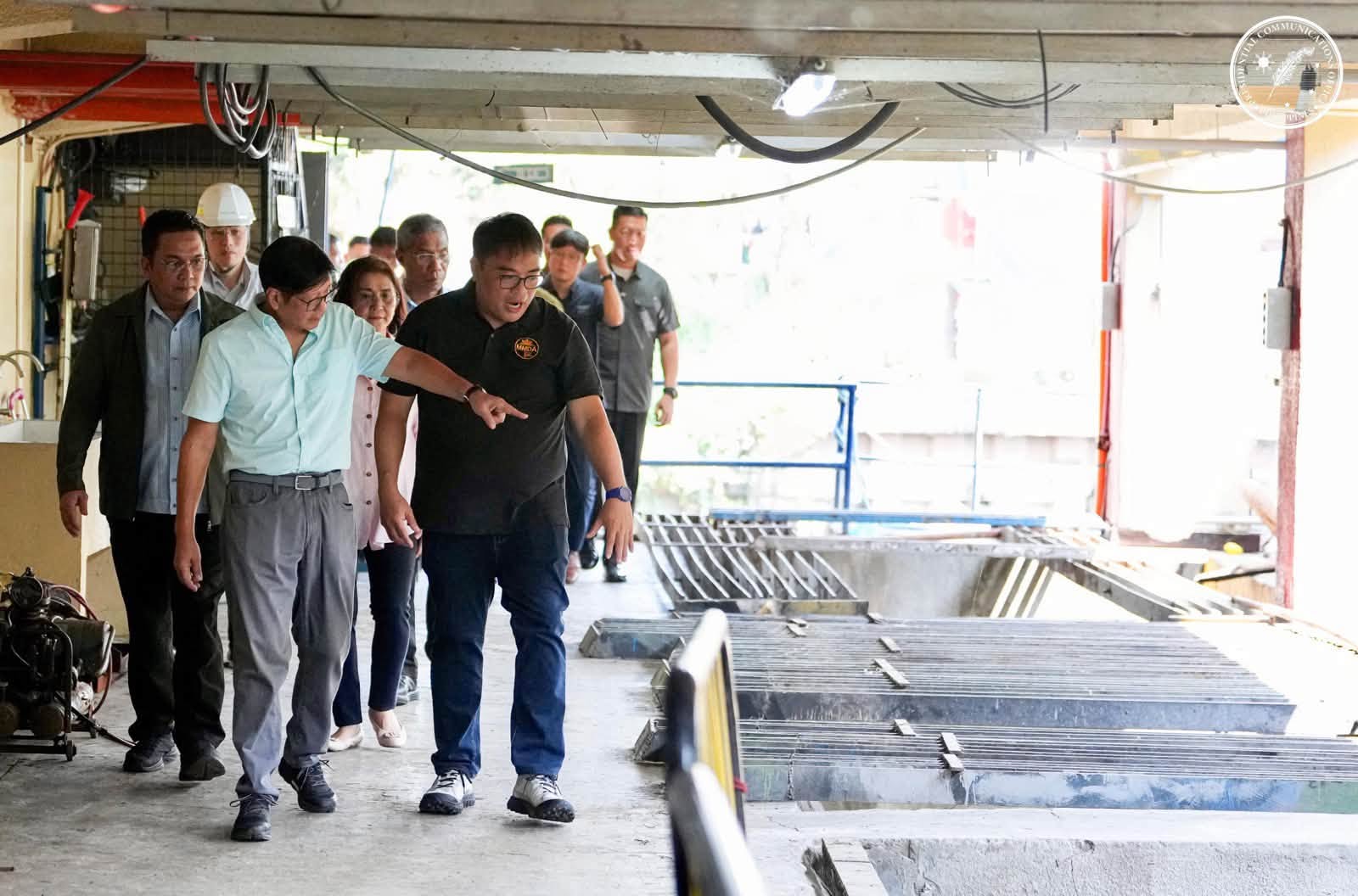
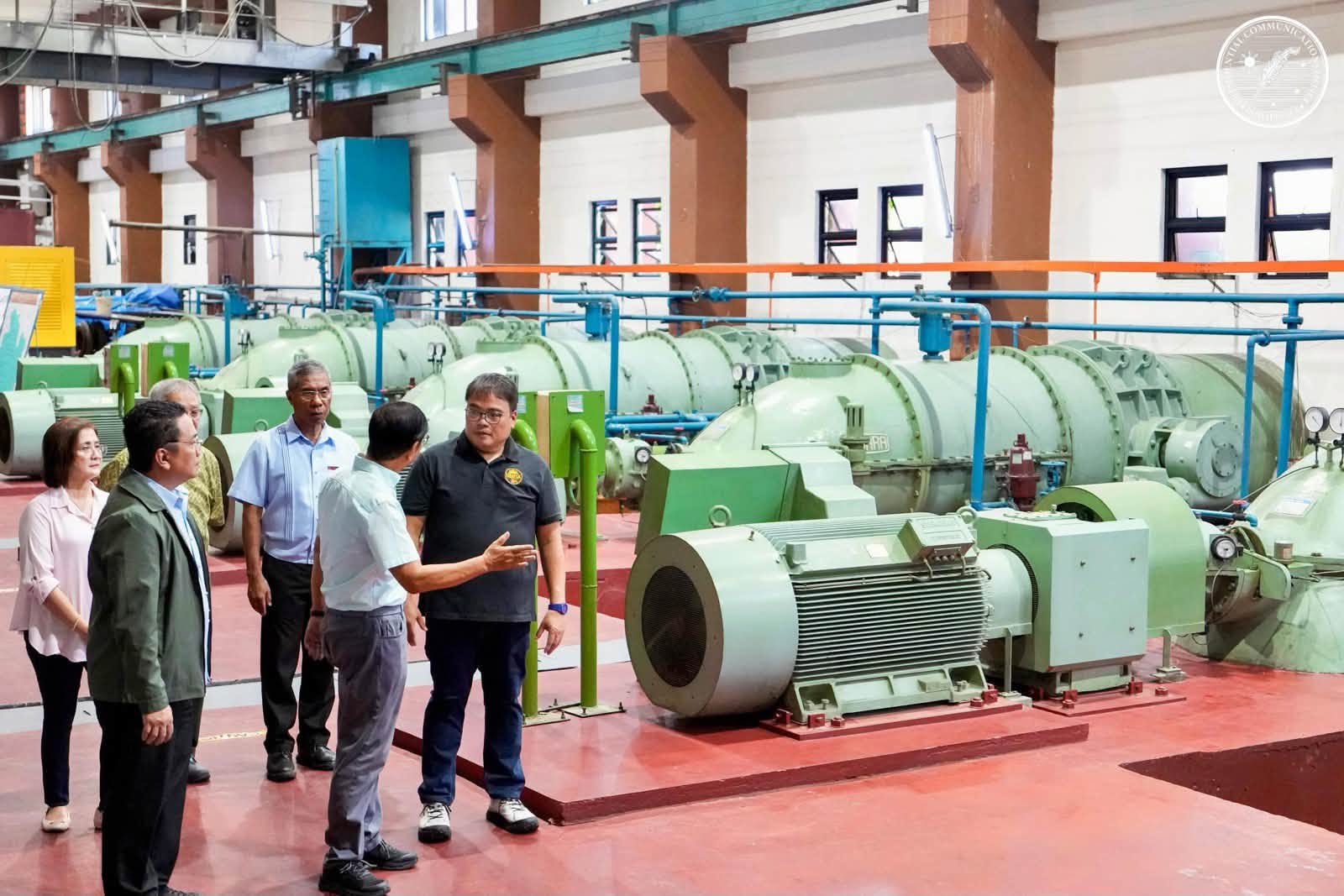
President Ferdinand R. Marcos Jr. on Thursday inspected the biggest pumping station operated by the Metropolitan Manila Development Authority (MMDA) in Pasay City to assess its capacity to manage the heavy volume of rainwater, noting that the pumps were operating properly but stressing the need to address the volume of garbage clogging the drainage systems.
During the inspection at the Tripa de Gallina Pumping Station in Barangay 190, Bac 1-11, Pasay City, President Marcos noted that flooding during the rainy season is worsened by improper garbage disposal, which can clog drainage systems and affect the flow of floodwaters.
“Nandito naman tayo sa pumping station. Tinitingnan natin kung sapat dahil ang katotohanan ay talagang napakarami ang tubig na bumabagsak ngayon compared sa mga nakaraang taon,” President Marcos said.
“Kaya’t kailangan tingnan natin kung sapat ang volume na kaya ng mga bomba natin para ilabas ang tubig. Siyempre, ang nakikita natin problema, number one, ‘yung basura ulit. Kasi, kaya’t ‘yan ang tiningnan natin, okay naman, malakas naman ‘yung mga bomba natin, umaandar naman silang lahat,” the Chief Executive said.
At the inspection, President Marcos was assisted by MMDA Chairman Romando Artes, MMDA General Manager Nicolas Torre III, and Pasay City Mayor Imelda Calixto-Rubiano.
Upon arrival at the pumping station, President Marcos was briefed by Artes on the overall clearing and waste management operations at the Tripa de Gallina Pumping Station, the largest of the 73 pumping stations operated by the MMDA in Metro Manila.
The President then observed the operation of the trash rake facilities, which collect solid waste and debris from the estero.
The collected waste was subsequently transported along the conveyor belt for proper disposal.
Thereafter, President Marcos proceeded to the pump engine room for a short briefing on the station’s operations, its catchment area, and the locations of other pumping stations across the National Capital Region (NCR). Ӏ PND
20 August 2026
19 August 2026

19 August 2026
Malacañang is awaiting the Department of Education’s (DepEd) proposal for a school-based approach to resuming classes following several days of suspension due to heavy rains and other severe weather conditions.
During a Palace press briefing on Wednesday, Presidential Communications Office (PCO) Undersecretary and Palace Press Officer Claire Castro said DepEd, led by Secretary Sonny Angara, is studying a more flexible approach to class resumption based on the actual conditions of each school and community.
Castro said DepEd prefers decisions on class resumption to be based on local conditions rather than automatically imposing blanket suspensions across an entire province, city, or municipality.
“Ayon sa DepEd, mas gusto nilang magkaroon ng flexible at nakabase sa actual situation ng bawat school at community, hindi iyong automatic na pare-pareho ang suspension sa buong province, city o municipality,” Castro said.
DepEd earlier said it is considering school-level class resumption to prevent learning loss, allowing schools that are safe and unaffected by severe weather to resume in-person classes despite broader local suspensions.
The proposal comes amid heavy rains brought by the Southwest Monsoon (Habagat), which have forced at least 600 schools nationwide to suspend face-to-face classes. DepEd is also seeking to update Executive Order No. 66, series of 2012, which sets guidelines on class and government work suspensions during weather disturbances and calamities.
Castro noted that geography, risks and conditions vary among communities, making safety assessments important in determining whether classes can resume.
“Kung safe, puwedeng mag-resume; kung hindi safe, suspended,” Castro said.
The Palace official stressed that a school-based approach does not mean schools will decide independently, citing the need for coordination and shared responsibility with local government units, as well as “clear safety assessments, timely communication and accountability.”
Castro said Angara will further discuss the proposal with schools.
Asked about possible changes to the school calendar, Castro said no proposal has been relayed to the Palace so far.
On make-up classes, Castro deferred to DepEd, saying the agency continues to encourage alternative learning arrangements, including online classes, to minimize learning disruptions during class suspensions. | PND
20 August 2026
19 August 2026

19 August 2026
President Ferdinand R. Marcos Jr. on Wednesday highlighted the flood-mitigation measures being implemented by his administration, saying improvements in drainage, pumping stations, and dredging have helped reduce flooding in parts of Metro Manila despite the heavy rains brought by the southwest monsoon.
In his statement after a situation briefing at the Metropolitan Manila Development Authority (MMDA) Communications and Command Center in Pasig City, the President said several areas that previously experienced severe flooding were now seeing lower water levels and faster water recession.
“Kung dati mag-aantay ang tao ng 2-3 araw bago mawala yung baha, ngayon wala pang isang araw, wala na,” President Marcos said, noting that some areas that used to be submerged to the second floor were now experiencing much shallower flooding or no flooding at all.
The President said the improvements were particularly significant given the volume of rainfall recorded during the recent monsoon rains.
President Marcos said the results of the government’s flood-mitigation efforts over the past six to seven months demonstrate the need to sustain and expand the programs.
“There is still a lot of work that needs to be done,” the President said, emphasizing that the administration would pursue solutions for the short, medium, and long term.
Present during the situation briefing were Executive Secretary Ralph G. Recto, Department of Public Works and Highways (DPWH) Secretary Vince Dizon, Department of Interior and Local Government (DILG) Secretary Jonvic Remulla, and MMDA Chairman Romando “Don” Artes.
The Chief Executive said around 201 millimeters of rain fell within five hours, equivalent to about 44 percent of the rainfall recorded during Tropical Storm Ondoy over a 24-hour period.
President Marcos attributed part of the improvement to continuing government efforts to clear waterways, expand drainage capacity and upgrade pumping facilities.
The administration has been replacing smaller, older drainage pipes, including some systems installed shortly after World War II, with larger pipes designed to allow water to drain more rapidly, according to the president.
The President also said all 73 pumping stations under monitoring were now functioning, while 11 mobile pumping units were also being deployed in areas requiring additional capacity.
Dredging operations and pumping activities will continue, the president said, although some pumping stations have temporarily stopped because there is no longer sufficient floodwater to pump out.
The President said the government is also pursuing longer-term measures to increase the country’s capacity to store excess rainwater instead of allowing it to immediately flow into the sea.
President Marcos said 30 potential sites have already been identified for the construction of underground water storage facilities or cisterns, including areas such as Raja Sulaiman, Rizal Memorial Sports Complex, Camp Aguinaldo and the University of Santo Tomas campus.
The proposed system would involve excavating beneath existing open spaces and facilities, including football fields and other campuses, and restoring the surface after construction.
President Marcos said the government is currently coordinating with the institutions and authorities managing the identified areas, while detailed engineering studies are expected to be completed within the month.
“To make sure that we have solutions for the very short term, we have solutions for the medium term, and eventually we will have solutions for the longer term,” Marcos said.
Once the engineering plans are finished, the government will prioritize the sites and begin excavation, the President said.
The President said the proposed underground storage facilities could provide a way to temporarily hold large volumes of rainwater during intense downpours and reduce pressure on the city’s drainage and flood-control systems.
The President also directed officials to study ways of putting the collected water to productive use rather than simply discharging it into the sea.
The stored water could potentially be used for household, industrial, or irrigation purposes, depending on the quality and treatment requirements, President Marcos said.
To illustrate the scale of the recent rainfall, the President said the approximately 201.7 millimeters of rain recorded was equivalent to nearly 50,000 Olympic-sized swimming pools.
The President said the government is likewise continuing to upgrade seawalls and implement other measures for the management of floodwaters.
The administration’s approach, the President said, involves immediate interventions such as dredging, pumping and drainage improvements, while simultaneously developing medium- and long-term infrastructure solutions.
The President acknowledged that more work remains to be done, particularly as climate change increases the frequency and intensity of extreme rainfall events.
The recent flooding affected around 4,700 barangays and 1.7 million families, with 27 reported deaths and 17 injuries, according to the situation briefing. | PND
20 August 2026
19 August 2026
 PBBM
PBBM PCO
PCO RTVM
RTVM BOC
BOC DENR
DENR DEPED
DEPED DFA
DFA DICT
DICT DOA
DOA DOT
DOT DOH
DOH DOTR
DOTR DTI
DTI IBC13
IBC13 PTV4
PTV4 RP1
RP1 CONGRESS
 SENATE
 JUDICIARY